Key Takeaways
- Progress is often subtle and hard for students to see in themselves, especially during high school.
- Parents play a crucial role in noticing and celebrating small wins that build lasting confidence.
- Many improvements, like resilience and self-advocacy, influence success but are rarely recognized by teens.
- Normalizing setbacks while highlighting growth helps struggling learners feel valued and motivated.
Audience Spotlight: Supporting Struggling High School Learners
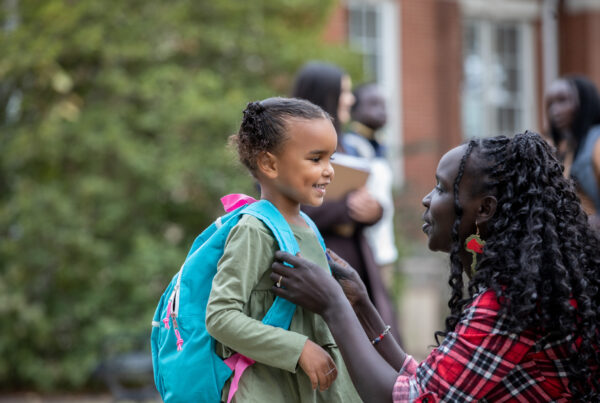
For parents of struggling learners, the high school years can feel like a daily balancing act between encouragement and worry. Many parents notice their teens working hard but not always seeing results right away. It is important to remember that progress is not always obvious to your child, especially when they are facing academic or emotional challenges. By understanding the signs of progress students rarely recognize themselves, you can help your teen notice their own growth and gain the confidence they need to persevere.
Definitions
Progress: Ongoing improvement in skills, behaviors, or attitudes, even if it is not reflected in grades right away.
Self-advocacy: A student’s ability to speak up for their needs, ask questions, and seek help when needed.
Why Is It Hard for Teens to See Their Own Progress?
Many high school students focus on big milestones, like test grades or final projects, as the main indicators of success. However, experts in child development note that growth often happens in small, less noticeable steps. These include better organization, increased effort, or a more positive attitude toward setbacks. The signs of progress students rarely recognize themselves can include subtle changes in how your child approaches challenges, manages stress, or interacts with peers and teachers.
Adolescence is a time of rapid change, and teens are often their own harshest critics. When assignments feel overwhelming or mistakes seem to pile up, it is easy for them to overlook how far they have come. As a parent, you can help bridge this gap by noticing and naming these moments of growth.
Hidden Signs of Progress Students Rarely Recognize Themselves
- Improved Organization: Your teen starts using a planner, organizes their backpack more regularly, or manages digital files with greater care. Even if grades have not changed, this is a key step in developing independence.
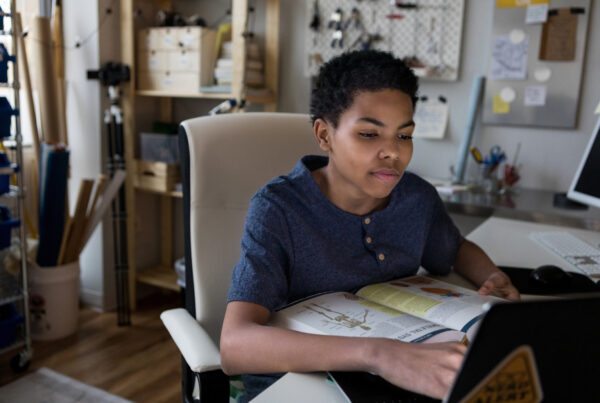
- Asking for Help: Many students see seeking help as a sign of weakness, but it actually shows maturity and self-awareness. If your teen is emailing teachers or attending extra help sessions, this is meaningful progress.
- Increased Persistence: Working through frustration, retrying difficult homework, or sticking with a challenging club or sport demonstrates resilience. These efforts lay the foundation for future success.
- Better Self-Reflection: Your child may begin to talk about what went wrong on a test or how they might try a new approach next time. Reflecting on setbacks is a powerful growth skill.
- Taking Initiative: Volunteering for group projects, signing up for new activities, or setting personal goals are all signs that your teen is becoming more proactive.
Many teachers and parents report that these changes often appear before there is any visible change in report cards or test scores. Encourage your child to value these small but important steps.
Celebrating Progress: Why the Little Wins Matter
Celebrating progress is about much more than rewards or praise. It is about teaching your child that effort, growth, and perseverance are just as important as results. When you highlight the signs of progress students rarely recognize themselves, you help your teen build a resilient mindset. They learn that setbacks are temporary and that change is possible through consistent effort.
For example, if your teen usually avoids group work but volunteers to lead a discussion, that is a sign of growing confidence. If they manage a full week of keeping up with assignments after struggling with deadlines, that is worth recognizing. These moments might seem small, but they add up and help your child view themselves as capable and resourceful.
How Can Parents Help Their Teen Notice Progress in High School?
- Start Conversations: Ask open-ended questions like, “What felt easier this week?” or “What did you do differently this time?” These prompts encourage your teen to reflect on their growth.
- Keep a Progress Journal: Suggest that your child jot down moments when they overcame a challenge or felt proud of their effort. Reviewing these notes can boost confidence over time.
- Share Observations: Gently point out when you notice positive changes, such as improved organization or a more positive attitude about schoolwork. Be specific to help your child see the connection between their actions and results.
- Model Growth Mindset: Talk about your own experiences with setbacks and how you learned from them. This normalizes struggle and shows that everyone grows at their own pace.
- Connect with Teachers: Reach out to teachers or counselors for feedback about your child’s progress in less visible areas, like participation or effort. Sharing this feedback with your teen can be encouraging.
Sometimes, an outside perspective helps. Explore confidence-building resources to learn strategies for encouraging development beyond academics.
What If My Child Feels Stuck? Parent Guidance for Difficult Times
It is normal for struggling learners to go through periods where progress feels slow or invisible. If your teen feels discouraged, remind them that growth is not always linear. The signs of progress students rarely recognize themselves often include things like trying again after a setback, managing emotions more effectively, or reaching out to a trusted adult for support.
Encourage your teen to focus on what they can control: effort, attitude, and willingness to try new strategies. Help them set short-term, achievable goals and celebrate each step forward. If frustration persists, consider partnering with a tutor or counselor who can offer personalized support and help identify strengths your child may not see in themselves.
Confidence Building Strategies for High School Students
- Encourage Self-Advocacy: Support your child in communicating their needs to teachers and peers. This skill builds independence and confidence.
- Practice Positive Self-Talk: Help your teen reframe negative thoughts, such as “I always mess up,” to “I am learning and getting better every day.”
- Set Realistic Goals: Break big assignments into manageable steps and celebrate each completed task.
- Reflect on Past Successes: Remind your child of times they overcame challenges in the past. This can help them see that progress is possible, even when it feels slow.
Notice progress in high school by looking for these everyday signs. When you acknowledge them, you empower your teen to believe in their ability to grow and succeed.
Tutoring Support
K12 Tutoring understands how important it is for parents to recognize and celebrate every step of progress, especially for struggling learners in high school. Our tutors work alongside families to identify strengths, encourage self-reflection, and build confidence in students who may not always see their own growth. If you are looking for support or want to learn more about how we can help your child thrive, K12 Tutoring is here for you every step of the way.
Related Resources
- Student Self-Reflection Strategies – Edutopia
- How to Celebrate Small Wins to Motivate Kids – Prepared Parents
- Tools for Creating Digital Student Portfolios – Edutopia
Trust & Transparency Statement
Last reviewed: October 2025
This article was prepared by the K12 Tutoring education team, dedicated to helping students succeed with personalized learning support and expert guidance. K12 Tutoring content is reviewed periodically by education specialists to reflect current best practices and family feedback. Have ideas or success stories to share? Email us at [email protected].