Key Takeaways
- Children in elementary school often notice their own growth through subtle, personal signs of progress.
- Recognizing and celebrating these signs of progress kids actually notice can boost your child’s confidence and motivation.
- Parents can help by tracking progress in elementary school with small, meaningful check-ins and celebrations.
- Building confidence habits at home encourages children to recognize and value their own achievements.
Audience Spotlight: Building Confidence Habits in Elementary School
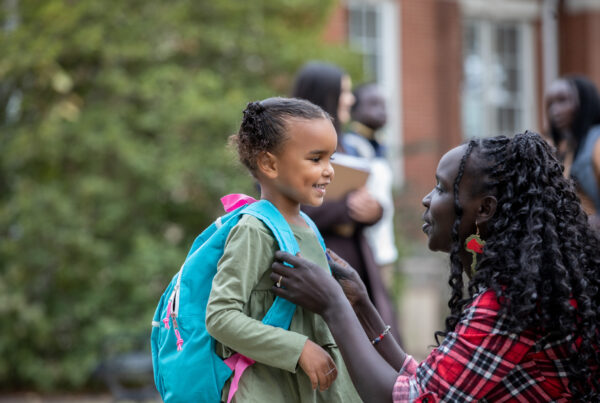
For parents focused on confidence habits, every small step your child notices is a foundation for lifelong self-assurance. When your child recognizes their own success—whether it is reading a tricky word or remembering to pack their backpack—they are practicing the vital skill of self-reflection. Many parents of elementary schoolers want their children to feel proud of their growth, not just their grades. That is why noticing and celebrating the signs of progress kids actually notice is so valuable. It helps children connect effort with achievement and builds the confidence habits that will support them far beyond the classroom.
Definitions
Signs of progress kids actually notice: These are small, personal indicators of growth or improvement that your child recognizes in themselves, such as solving a math problem that was once tough or making a new friend at recess.
Confidence habits: Daily routines or mindsets that help children believe in themselves and their abilities, such as positive self-talk, setting small goals, or celebrating efforts.
What Are Signs of Progress Kids Actually Notice?
As a parent, you may wonder what progress really looks like for your child. The truth is, it is not always about report cards or test scores. The signs of progress kids actually notice on their own are often quiet but meaningful. For example, your child might say, “I read that book all by myself!” or “I was not scared to ask the teacher for help today.” These self-identified moments matter because they come from within your child, building self-awareness and intrinsic motivation.
Experts in child development note that when children recognize their own growth, it deepens their sense of capability. Many teachers and parents report that students who spot their own improvements are more likely to persevere through challenges. This is especially true in elementary school, where foundational skills and confidence habits are taking root.
Celebrating Progress: Why It Matters for Confidence Building
Celebrating the signs of progress kids actually notice is about more than praise. It is about reinforcing your child’s ability to notice change and effort in themselves. This can help reduce anxiety about perfection and foster a growth mindset. For example, if your child says, “I remembered to raise my hand today,” acknowledge the effort by saying, “I am proud that you noticed your own bravery.” These small celebrations teach children to value their own opinions and recognize that progress is a journey, not just a destination.
Many parents worry they are not doing enough to help their child feel confident. Normalizing struggles and sharing that everyone has areas to grow can ease this pressure. Every time your child notices and shares a sign of progress, it opens a door for a positive, encouraging conversation.
Tracking Progress in Elementary School: How Parents Can Help
Tracking progress in elementary school does not need to be complicated. Instead of focusing only on external rewards, help your child reflect on their own experiences. Try setting aside a few minutes at dinner or bedtime to ask, “What is something you did today that you feel good about?” Over time, you might start to see patterns in what your child notices. Are they proud of trying new things? Do they celebrate making friends or learning new words?
For example, one parent shared how their daughter would come home excited to tell them she “finished her math worksheet without help.” Another noticed that their son felt accomplished when he remembered to pack his own lunch. These are all signs of progress kids actually notice, and they deserve celebration.
Consider using a simple chart or journal where your child can jot down or draw their own milestones. For more ideas on supporting these habits, visit our confidence building resources.
Grade Band and Celebrating Progress: Elementary School Examples
In kindergarten through second grade (K-2), progress might look like learning to tie shoes, reading a favorite book aloud, or making it through a school day without tears. For grades three through five (3-5), children might notice improvements in organizing their homework, speaking up in class, or making new friends. It is important to remember that the signs of progress kids actually notice will vary by age and personality.
- K-2: “I put my coat on by myself.”
- 3-5: “I finished my science project early.”
Celebrate these moments as they come. A simple “I see how hard you worked on that” can go a long way in reinforcing confidence habits.
Common Mistakes Parents Make When Noticing Progress
- Over-focusing on grades: While academic achievement is important, the most powerful growth often happens in everyday actions your child notices, such as showing kindness or practicing patience.
- Comparing siblings or classmates: Every child’s journey is unique. Focus on your child’s personal growth rather than comparing them to others.
- Missing the small wins: Sometimes, parents look for big milestones and miss the tiny steps. Listening for the signs of progress kids actually notice helps highlight these moments.
Parent Q&A: How Can I Encourage My Child to Notice Their Own Progress?
Many parents ask, “How can I help my child become more aware of their growth?” Start by modeling self-reflection. Share your own small wins from the day—“I remembered to bring my grocery list!”—and invite your child to do the same. Celebrate effort and improvement, not just results. Over time, your child will learn to recognize and value the signs of progress kids actually notice, building a habit of self-encouragement.
Tutoring Support
K12 Tutoring is here to help your family support your child’s unique journey. Our tutors understand that every child’s progress is personal, and we focus on strengthening confidence habits as well as academic skills. If your child needs encouragement to spot and celebrate their growth, we can partner with you to make learning a positive, empowering experience.
Related Resources
- Does Developing a Growth Mindset Help Students Learn? – AFT
- The Importance of Celebrating Tiny Wins as a Parent – Extraordinary Kids Therapy
- How To Foster a Growth Mindset in Children – Parents.com
Trust & Transparency Statement
Last reviewed: October 2025
This article was prepared by the K12 Tutoring education team, dedicated to helping students succeed with personalized learning support and expert guidance. K12 Tutoring content is reviewed periodically by education specialists to reflect current best practices and family feedback. Have ideas or success stories to share? Email us at [email protected].