Key Takeaways
- Kids notice their own progress in small, everyday ways, not just by grades or test scores.
- Celebrating small wins for students helps build confidence and motivation, especially for struggling learners.
- Parents can spot and encourage these signs of progress kids notice in elementary school at home and in the classroom.
- Recognizing growth in skills like reading, friendships, and independence supports lifelong learning habits.
Audience Spotlight: Supporting Struggling Learners in Elementary School
Many parents of struggling learners worry that their child’s hard work is not paying off. It is common to feel unsure about what “progress” really looks like, especially in the early grades. The signs of progress kids notice in elementary school are often small but meaningful. These moments can spark confidence and help your child feel proud of their own growth. By learning what to watch for, you can support your child’s journey and celebrate the real wins that matter most to them.
Definitions
Progress: In education, progress means positive change or growth in knowledge, skills, or behaviors over time.
Small wins: These are manageable achievements or improvements that may seem minor but make a big difference in a child’s confidence and motivation.
What Are the Signs of Progress Kids Notice in Elementary School?
When it comes to the signs of progress kids notice in elementary school, the changes your child experiences are often subtle but powerful. Instead of waiting for report cards or big awards, children notice their progress through everyday experiences. For a struggling learner, recognizing even a small improvement can make the difference between feeling stuck and becoming motivated. Here are some specific ways children notice their own growth:
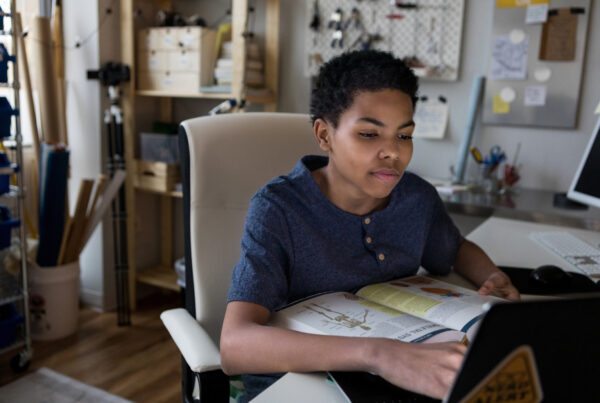
- They finish homework with less help. Suddenly, your child can work through a worksheet or read a page by themselves. They might even say, “I did it all on my own!”
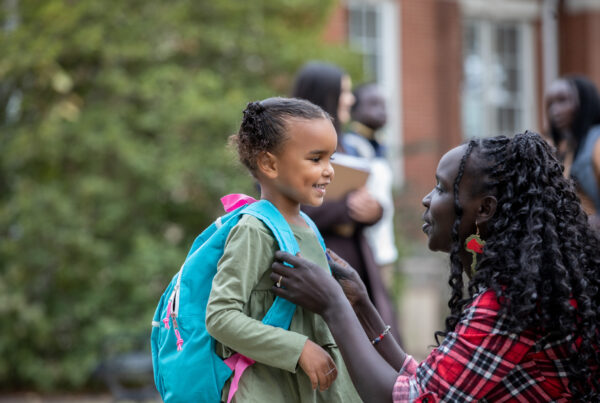
- They remember routines or instructions. Children who used to need reminders now start packing their backpack or following classroom steps without prompting.
- They ask questions or seek help when needed. This shift shows self-advocacy and growing confidence in learning.
- They celebrate a new skill or word. Whether it is reading a tricky word or solving a math problem, these moments feel like big wins to your child.
- They recover from mistakes more easily. Instead of shutting down, your child tries again or asks for help, showing resilience and a growth mindset.
Many teachers and parents report that these everyday achievements are the true signs of progress kids notice in elementary school. Being able to see and feel change in their own abilities is often more meaningful than a grade or sticker chart.
Celebrating Progress: Why Small Wins Matter for Confidence Building
Recognizing and celebrating small wins for students can transform your child’s attitude toward learning. Experts in child development note that when children see their own progress, they build a sense of competence and pride. This is especially important for struggling learners, who may feel overwhelmed by big goals or discouraged by setbacks.
- Boosts intrinsic motivation. Kids who notice improvement want to keep trying, even when work is hard.
- Reduces anxiety and frustration. Focusing on growth, not perfection, helps your child feel successful and less afraid of mistakes.
- Increases independence. As children see their own progress, they become more willing to tackle new challenges on their own.
- Encourages positive self-talk. Successes, big or small, help kids believe in themselves and their abilities.
For many families, celebrating progress can be as simple as saying, “I noticed you finished your reading today without giving up. That shows real effort!” These affirmations teach children to value growth and effort instead of just final results.
How Do Kids Experience Progress? Scenarios from Home and School
Imagine your third grader struggles to read aloud and often avoids homework. Over a few weeks, you notice they start reading signs at the grocery store or sounding out words during bedtime stories. These are signs of progress kids notice in elementary school. Your child may not mention it, but they feel the change. You might hear, “This word used to be so hard, but now I know it!”
At school, your child might be the last to finish a math worksheet. One day, they finish a little faster or help a classmate with a problem. Teachers see these moments as clear indicators of growth and often share them during conferences or notes home.
Children also notice progress in social and emotional areas. For example, a child who used to feel nervous about joining group work might start raising their hand or volunteering to share an idea. These are meaningful milestones that deserve to be celebrated.
Parent Q&A: How Can I Spot and Celebrate My Child’s Progress?
- Q: My child is not bringing home better grades. How do I know they are still making progress?
A: Grades only tell part of the story. Look for increased independence, improved attitudes, or new skills. The signs of progress kids notice in elementary school often show up as small changes in daily routines, social skills, or the ability to recover from mistakes. - Q: What is the best way to celebrate my child’s small wins?
A: Simple acknowledgment goes a long way. Try phrases like, “I noticed you tried a new math strategy,” or “I am proud of how you kept working even when it was tough.” You can also make a “progress jar” where your child adds a bead or note for each achievement. - Q: How do I help my child notice their own growth?
A: Ask reflective questions, such as, “What is something you can do now that was hard last month?” or “How did you solve that problem differently today?” Encouraging your child to notice their own success builds self-awareness and confidence.
Grade Band Focus: Celebrating Progress in Elementary School
Each grade in elementary school offers different opportunities for progress:
- K-2: Kids notice when they master letters, tie their shoes, or make a new friend. Celebrate these firsts and new routines.
- 3-5: Progress might show up as reading a chapter book, completing a project, or joining a group activity. Recognize effort and persistence, not just outcomes.
Across all grades, the signs of progress kids notice in elementary school are unique to each child. What feels like a small step to an adult can be a huge leap for a struggling learner.
Everyday Ways Parents Can Encourage Progress
- Notice and name growth. Instead of general praise, be specific: “You remembered your math facts without help!”
- Reflect together. At the end of the week, talk about something new your child learned or accomplished.
- Encourage persistence. Remind your child that mistakes are part of learning. Celebrate the effort, not just the result.
- Connect with teachers. Ask for examples of progress from the classroom. Teachers can often share stories you might not see at home.
- Model a growth mindset. Share your own stories of learning and making progress, even as an adult.
For more ideas on supporting skill growth and confidence, see our resources on confidence building.
Common Mistakes: What to Avoid When Encouraging Progress
- Comparing your child to others. Each child grows at their own pace. Focus on your child’s personal journey.
- Setting goals that are too big. Large goals can feel overwhelming. Break them into smaller, manageable steps.
- Overlooking small wins. Do not wait for big milestones. Tiny moments of growth matter just as much.
- Only praising results. Celebrate the effort, strategies, and resilience your child shows along the way.
Building a Habit of Celebrating Small Wins for Students
Making celebration a regular part of your family’s routine helps reinforce the signs of progress kids notice in elementary school. Try having a weekly “proud moment” share at dinner, keeping a journal of new skills, or creating a visual progress chart. These habits help your child recognize and value their own growth over time.
Ultimately, celebrating small wins for students builds a foundation of confidence, motivation, and joy in learning. Your support as a parent makes a lasting difference, especially for struggling learners who need extra encouragement.
Tutoring Support
If you are looking for more ways to help your child grow and notice their progress, K12 Tutoring offers personalized support tailored to your child’s unique needs. Our tutors partner with families to set achievable goals, celebrate every step forward, and build skills and confidence that last a lifetime. Progress is possible, and we are here to help you and your child recognize and celebrate it together.
Related Resources
- Does Developing a Growth Mindset Help Students Learn? – AFT
- The Importance of Celebrating Tiny Wins as a Parent – Extraordinary Kids Therapy
- How To Foster a Growth Mindset in Children – Parents.com
Trust & Transparency Statement
Last reviewed: October 2025
This article was prepared by the K12 Tutoring education team, dedicated to helping students succeed with personalized learning support and expert guidance. K12 Tutoring content is reviewed periodically by education specialists to reflect current best practices and family feedback. Have ideas or success stories to share? Email us at [email protected].