Key Takeaways
- Noticeable signs of growing confidence in elementary school often include increased participation, trying new things, and positive self-talk.
- Small everyday moments, like volunteering in class or expressing opinions at home, show important progress in confidence growth for young students.
- Parents can nurture confidence by celebrating progress, supporting setbacks, and modeling resilience.
- Open conversations and gentle encouragement help your child develop lasting confidence habits over time.
Audience Spotlight: Building Confidence Habits at Home and School
For many parents focused on confidence habits, the journey can feel both rewarding and uncertain. You want your child to feel brave, speak up, and try new things at school, but sometimes it is hard to tell what real progress looks like. Many teachers and parents report that even small steps—like raising a hand or sharing an idea—are meaningful signs of growing confidence in elementary school. Building these habits is a gradual process that benefits from patience, encouragement, and a supportive home environment where every effort is celebrated.
What Are Signs of Growing Confidence in Elementary School?
Early elementary years are a time of immense social and emotional growth. Some children are naturally outgoing, while others take time to find their voice. As a parent, you may wonder, “How do I know if my child is becoming more confident?” Recognizing the signs of growing confidence in elementary school can help you celebrate their progress and support their ongoing development.
Here are common indicators you might notice:
- Increased participation in class: Your child may start raising their hand, asking questions, or volunteering for activities they used to avoid.
- Willingness to try new things: From joining a new club to attempting a challenging math problem, your child becomes more open to experiences, even if they are unsure.
- Expressing opinions and feelings: Confident children begin to voice what they like, dislike, or want, both at home and at school.
- Handling setbacks with resilience: Instead of giving up after a mistake, your child may try again or ask for help.
- Positive self-talk: Phrases like “I can do this” or “I’ll try my best” are powerful signs of growing confidence in elementary school.
Experts in child development note that confidence is not just about public speaking or leadership. It is about a child’s willingness to engage, take healthy risks, and recover from disappointments. These abilities form the foundation for academic success and personal growth.
Celebrating Progress: Everyday Moments That Matter
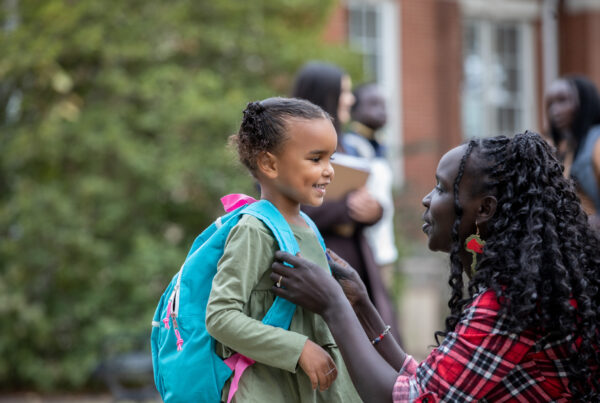
If your child is not the loudest in the class or does not always win awards, do not worry. Confidence growth for young students often shows up in quiet, everyday moments. For example, a child who once hesitated to read aloud may now volunteer for a sentence. Or, your child might bravely introduce themselves to a new classmate at recess. These moments signal a shift in self-belief and a growing comfort with being seen and heard.
Try celebrating these steps at home. If your child shares an accomplishment, however small, acknowledge the effort behind it. “I noticed you spoke up in class today. That took courage.” Over time, these affirmations help reinforce the signs of growing confidence in elementary school and encourage your child to keep stretching.
Grade Band Focus: Celebrating Progress in Elementary School
Recognizing and celebrating progress looks different across the elementary school years:
- K-2: Young children may show confidence by choosing their own clothes, making a new friend, or trying to read a new word. Encourage independence and applaud attempts, not just results.
- Grades 3-5: Older elementary students might take on classroom responsibilities, ask for clarification when confused, or set personal goals. Celebrate initiative and perseverance, not just perfect performance.
As children grow, their understanding of success and failure evolves. Helping them link effort to growth—rather than outcome—builds lasting confidence habits.
Coaching Tips for Parents: How Can I Support My Child’s Confidence?
Many parents ask, “What can I do if my child seems hesitant or unsure?” Building confidence is not about pushing your child to be someone they are not. Instead, it involves gentle guidance, modeling, and patience. Here are practical coaching tips:
- Model self-confidence: Let your child hear you talk positively about your own challenges. “This is tricky, but I’ll give it a try.”
- Encourage questions and curiosity: Praise effort when your child asks questions or explores new topics, even if they make mistakes.
- Normalize setbacks: Remind your child that everyone struggles and that mistakes are a part of learning. Share stories from your own childhood if it feels right.
- Set achievable challenges: Help your child set small, reachable goals, like reading a new book or trying a new sport, and celebrate the process together.
- Use positive reinforcement: Focus on effort and improvement. “You worked hard on that project. I’m proud of your persistence.”
- Stay connected with teachers: Ask teachers about the signs of growing confidence in elementary school they see in your child. Teachers can provide valuable insights and suggestions.
For more strategies on nurturing confidence, visit our confidence building resources.
Common Mistakes: What Holds Confidence Back?
Even the most supportive families encounter challenges. Confidence can sometimes be held back by:
- Overpraising outcomes: Focusing only on winning or being the best can create fear of failure.
- Rescuing too quickly: Solving every problem for your child may limit their ability to develop resilience.
- Comparing to siblings or peers: Each child’s journey is unique. Comparing can erode self-worth and discourage effort.
Instead, try to notice and value the unique signs of growing confidence in elementary school that your child shows. Celebrate who they are becoming, not just what they achieve.
Parent Question: What If My Child’s Confidence Seems to Stall?
It is normal for children to fluctuate in confidence. Big transitions, such as changing schools or friendship shifts, can cause setbacks. If you notice your child withdrawing, becoming unusually anxious, or expressing self-doubt, reach out. Start a gentle conversation: “I’ve noticed you seem quieter lately. Is there anything you want to talk about?”
Sometimes, extra support is helpful. Talking with teachers, a school counselor, or a tutor can provide new perspectives and strategies. Remember, confidence is a journey, not a race. Every child develops at their own pace, and setbacks can be stepping stones to growth.
Definitions
Confidence: A child’s belief in their own abilities to try new things, express themselves, and handle challenges.
Celebrating progress: Recognizing and honoring small steps and improvements, not just final achievements.
Tutoring Support
K12 Tutoring believes that every child has the potential to grow in confidence with the right encouragement and support. Our tutors work with families to identify signs of growing confidence in elementary school and to nurture these skills through personalized strategies. Whether your child is just beginning to find their voice or needs help bouncing back from setbacks, we partner with you to celebrate progress and foster resilience.
Related Resources
- Teaching Students K-2 How to Reflect – Edutopia
- Student Self-Reflection Strategies – Edutopia
- A Strong Finish to the School Year – Harvard GSE
Trust & Transparency Statement
Last reviewed: October 2025
This article was prepared by the K12 Tutoring education team, dedicated to helping students succeed with personalized learning support and expert guidance. K12 Tutoring content is reviewed periodically by education specialists to reflect current best practices and family feedback. Have ideas or success stories to share? Email us at [email protected].