Key Takeaways
- Celebrating learning milestones with elementary school kids builds motivation and self-esteem, especially for struggling learners.
- Recognizing progress, no matter how small, normalizes challenges and fosters resilience in young students.
- Parents can use simple, concrete strategies to highlight achievements and encourage a growth mindset at home.
- Understanding common mistakes helps families avoid discouragement and empower children to keep making progress.
Audience Spotlight: Support for Struggling Learners
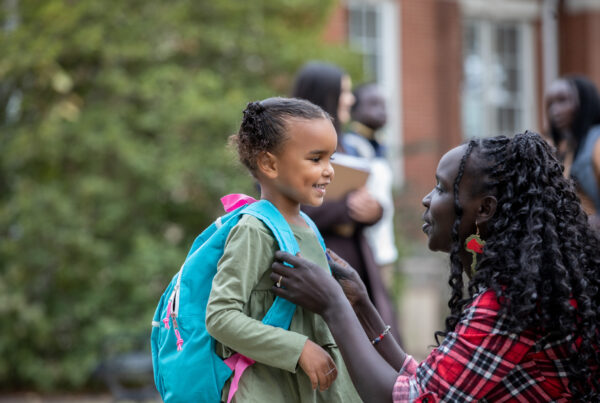
Many parents of struggling learners wonder how to help their child feel good about school and stay motivated. It is common to feel worried when your child seems discouraged or falls behind. Celebrating learning milestones with elementary school kids is one of the most effective ways to help your child feel seen and valued, especially when academic tasks feel tough. Noticing and honoring small wins can help your child build confidence and develop a positive attitude toward learning.
Common Mistakes Parents Make When Celebrating Progress
Every parent wants to encourage their child, but it is easy to make mistakes that unintentionally limit a child’s growth. Avoiding these pitfalls makes celebrating learning milestones with elementary school kids more meaningful and effective.
- Focusing only on big achievements: Waiting until your child gets a perfect score or a big award can make everyday effort feel invisible. Experts in child development note that children thrive when parents recognize the process, not just the outcome.
- Comparing your child to others: Many teachers and parents report that comparisons with siblings or classmates can lower motivation. Each child’s journey is unique, and progress looks different for everyone.
- Overpraising or using empty praise: Saying “Good job!” repeatedly without specifics can lose its meaning. Instead, talk about what your child did well (“You worked hard to sound out that word!”) so they know exactly what behavior to repeat.
- Ignoring small steps forward: For struggling learners, even small improvements like finishing a worksheet or asking for help can be major milestones. Recognizing these moments helps children feel proud of their growth.
- Celebrating only academic success: Skills like persistence, organization, and self-advocacy matter too. Celebrating learning milestones with elementary school kids can include noticing when your child keeps trying, organizes their backpack, or asks a question in class.
Why Celebrating Learning Milestones Matters for Confidence Building
Elementary school is a time of rapid change and growth. Children are learning to read, master math facts, and navigate friendships. For struggling learners, these tasks may feel especially overwhelming. Celebrating learning milestones with elementary school kids shows them that their effort counts, even when results come slowly.
Research shows that children who feel recognized for their progress are more likely to stick with challenging tasks and develop a sense of resilience. Confidence grows when children see that their hard work leads to improvement, not just perfection.
Parents who recognize progress for elementary students help their children build a foundation for long-term success. By noticing small steps, you teach your child to value their own effort and keep going, even when learning gets tough.
Celebrating Progress: What Does It Look Like at Different Elementary Grades?
Celebrating learning milestones with elementary school kids can look different depending on your child’s grade and needs. Here are some age-appropriate strategies for recognizing progress from K-2 and 3-5:
- Kindergarten to Grade 2: Young children respond to immediate, concrete praise. Celebrate when your child writes their name, remembers letter sounds, or shares a story from school. Try a sticker chart, a special high-five, or a short note in their lunchbox to highlight small wins.
- Grades 3 to 5: As children become more independent, involve them in tracking their growth. Use a simple progress journal or checklist to mark new skills, such as mastering multiplication tables or finishing a chapter book. Ask your child what they are proud of, and celebrate together with a favorite activity or extra reading time.
Throughout the elementary years, remember that your child’s emotional growth is as important as academic skills. Celebrate when your child shows kindness, persistence, or self-control. These milestones build the foundation for lifelong learning.
How Can I Celebrate My Child’s Progress Without Overdoing It?
Many parents worry about finding the right balance between encouragement and overpraising. Here are some practical tips for celebrating learning milestones with elementary school kids in ways that support healthy confidence:
- Be specific and genuine: Instead of general praise, focus on what your child did (“You kept practicing those spelling words even when it was hard”).
- Highlight effort and strategies: Talk about how your child approached a problem, not just the final answer (“I noticed you tried a new way to solve that math question”).
- Use celebration as motivation, not pressure: Make celebrations about growth, not competition. Avoid rewarding only the highest grades or fastest times.
- Encourage reflection: Ask your child how they feel about their progress. This helps them internalize success and develop self-awareness.
- Mix up your celebrations: Small rewards, special family time, and sharing progress with loved ones can all reinforce positive habits.
Building Confidence: How Celebrating Milestones Shapes Mindset
When you consistently celebrate learning milestones with elementary school kids, you are doing more than just boosting self-esteem for a moment. You are teaching your child to recognize their own growth, value persistence, and approach new challenges with a positive mindset. Experts recommend encouraging a “growth mindset,” which means helping children see that abilities can improve with effort and practice.
For struggling learners, this mindset shift can be life-changing. When children understand that mistakes are a normal part of learning, they are less likely to give up or feel ashamed. By celebrating each step forward, you help your child build a sense of agency and independence.
If you want to learn more about supporting your child’s confidence, see our confidence-building resources for practical ideas.
Definitions
Learning milestones: Key moments of progress or achievement in a child’s academic or personal development. These can include mastering a new skill, overcoming a challenge, or demonstrating positive behaviors.
Growth mindset: The belief that abilities and intelligence can be developed through effort, practice, and learning from mistakes.
Tutoring Support
At K12 Tutoring, we understand that every child’s learning journey is unique. Our tutors partner with families to identify and celebrate individual milestones, using strategies that help children feel confident and motivated. If your child needs extra support or encouragement, we are here to help you recognize their progress and reach new goals together.
Related Resources
- Teaching Students K-2 How to Reflect – Edutopia
- Growth Mindset: K-12 Leaders Cultivate Continuous Improvement
- How High School Students Can Set and Accomplish Goals
Trust & Transparency Statement
Last reviewed: October 2025
This article was prepared by the K12 Tutoring education team, dedicated to helping students succeed with personalized learning support and expert guidance. K12 Tutoring content is reviewed periodically by education specialists to reflect current best practices and family feedback. Have ideas or success stories to share? Email us at [email protected].