Key Takeaways
- 1st grade social studies helps children build early understanding of community, rules, maps, timelines, citizenship, and how people live and work together.
- Many students need extra guidance because social studies in 1st grade asks them to read, listen, discuss, compare, and explain ideas all at once.
- Personalized support can strengthen vocabulary, comprehension, class participation, and confidence through short, guided practice tied to what your child is learning in school.
- Tutoring can be especially helpful when a child understands pieces of a lesson but needs help connecting them into a clear big picture.
Definitions
Social studies foundations are the basic ideas young students need in order to understand people, places, communities, history, and citizenship. In 1st grade, these foundations often include classroom rules, community helpers, maps, holidays, family roles, and past versus present.
Guided practice is structured support where an adult helps a child work through a skill step by step before expecting full independence. In social studies, that might mean talking through a map, sorting community roles, or explaining why rules matter in a group.
Why 1st grade social studies can be more challenging than it looks
To adults, 1st grade social studies can seem simple. Topics like neighborhoods, families, rules, and community helpers sound familiar and age-appropriate. In the classroom, though, your child is being asked to do much more than name a firefighter or point to a map symbol. They are learning how people fit into groups, how communities function, how to talk about time, and how to explain ideas using new vocabulary.
This is one reason parents often start asking how tutoring helps with 1st grade social studies foundations. The challenge is not usually that the content is too advanced in the traditional sense. The challenge is that the subject blends reading, speaking, listening, memory, and reasoning. A child may know what a school, post office, or park is, but still struggle to explain what each place does in a community or how people depend on one another.
Teachers in elementary classrooms also present social studies through read-alouds, class discussions, worksheets, map activities, and short writing responses. That means a student who is still building early reading skills may have trouble showing what they know. A child may understand a lesson during circle time but freeze when asked to complete a page independently. This is a common learning pattern in early elementary classrooms, not a sign that something is wrong.
Parents also notice that social studies asks children to think in abstract ways for the first time. “Past and present” sounds straightforward, but it requires a child to compare time periods. “Good citizenship” asks them to connect behavior to community well-being. “Rules and laws” involve understanding fairness, safety, and responsibility. These are big ideas for a 6- or 7-year-old.
What students are really learning in social studies in 1st grade
In many 1st grade classrooms, social studies is less about memorizing facts and more about building a framework for understanding the world. Students often study families and traditions, classroom and community rules, maps and locations, national symbols, basic economics, and historical thinking at an early level. They may compare homes from long ago to homes today, talk about goods and services, or identify who helps a community run smoothly.
Each of these topics depends on language development. For example, if your child is learning about community helpers, the real academic task may include sorting workers by role, matching tools to jobs, and answering questions like, “How does a doctor help the community?” or “Why do we need sanitation workers?” Those questions require more than recall. They require explanation.
Map skills are another good example. A 1st grader may be asked to use words like north, south, near, far, left, right, and symbol. They might look at a simple map of a town and answer, “Which building is east of the library?” or “How would you get from the school to the fire station?” A child who is still developing directional language can find this frustrating, even if they are bright and engaged.
Time concepts also appear often in 1st grade social studies. Students may place events in order, compare life in the past and present, or use words like long ago, today, before, and after. These are important academic building blocks because later history learning depends on them. If a child mixes up sequencing or cannot clearly describe change over time, they may need repeated modeling and discussion.
When support is individualized, a tutor can slow these tasks down and make the hidden steps visible. Instead of asking a child to answer quickly, the tutor can guide them through the thinking process, help them use the right words, and check for understanding in real time.
How tutoring helps with 1st grade social studies foundations in practical ways
One of the biggest benefits of tutoring in early social studies is that it gives your child more time to process ideas out loud. In a busy classroom, a teacher may introduce a topic, ask a few questions, and move on. In one-on-one or small-group support, your child can pause, ask questions, and revisit confusing parts without feeling rushed.
For example, imagine your child is learning about rules at home, at school, and in the community. In class, they may hear that rules help keep people safe and help groups work together. A tutor can take that same concept and make it concrete by asking, “What happens if nobody lines up at school?” or “Why do we stop at a red light?” This kind of back-and-forth helps children connect social studies ideas to daily life.
Tutoring can also help with vocabulary, which is often the hidden barrier in social studies. Words like citizen, responsibility, symbol, community, government, and tradition may be new. A child might hear them in class and nod along, but not fully understand them. With guided support, the tutor can define each word in child-friendly language, use pictures and examples, and revisit the terms across multiple sessions.
Another important area is comprehension. Many 1st grade social studies lessons are built around short informational texts or teacher read-alouds. A child may listen to a story about how families lived in the past, but miss the main point because they are focused on unfamiliar details. A tutor can stop and ask simple comprehension questions such as, “What is different from today?” and “What stayed the same?” That helps your child learn how to pull out key ideas from social studies reading.
Parents often see growth in discussion skills too. Social studies asks students to share opinions, explain observations, and answer why questions. A tutor can model how to respond in a complete sentence, how to compare two ideas, and how to support an answer with evidence from a picture, text, or classroom example. These communication habits support both social studies and early literacy.
Because first graders learn best through repetition and routine, tutoring sessions can revisit the same concept in several ways. A child might sort pictures of goods and services, role-play community jobs, label a simple map, and then explain what they learned. That kind of structured repetition helps move understanding from exposure to mastery.

What if my child knows the facts but cannot explain them?
This is a very common parent concern in elementary social studies. Your child may correctly identify a flag, a mayor, or a map symbol, but struggle when the teacher asks for a fuller answer. In 1st grade, this often happens because expressive language is still developing. Children can understand more than they can easily say.
Tutoring can help bridge that gap by giving your child sentence frames and repeated opportunities to practice explaining. For instance, instead of simply saying, “Police officer,” a child can learn to say, “A police officer helps keep the community safe.” Instead of saying, “Old,” they can practice, “This picture shows the past because the house does not have modern appliances.”
This kind of support matters because social studies is not only about recognition. It is about building reasoning. Teachers often look for whether a child can compare, classify, describe, and explain. If your child needs extra wait time or language support, individualized instruction can make classroom expectations feel much more manageable.
It also helps children who are hesitant speakers. Some first graders understand the lesson but do not participate because they are unsure of their words. A calm tutoring setting can lower that pressure. With positive feedback and guided correction, students often become more willing to answer questions in class and take academic risks.
Elementary social studies habits that build long-term success
Strong social studies learning in the early grades supports more than one subject. It helps children build background knowledge, listening stamina, discussion skills, sequencing, and early evidence-based thinking. These are foundational academic habits that carry into reading, writing, and later history coursework.
In effective support sessions, tutors often help students learn how to observe carefully, answer with details, and connect new ideas to prior knowledge. For example, if a class is studying local government, a tutor might ask your child to think about who makes rules in different settings. At home, parents make some rules. At school, teachers and principals guide behavior. In a town or city, leaders help make community decisions. This comparison helps children organize information instead of holding isolated facts.
Visual organization can also be useful. Young learners often benefit from sorting cards, picture timelines, and simple charts with categories such as past and present, then and now, or goods and services. These tools reduce language load while strengthening understanding. Families looking for broader learning support strategies may also find helpful ideas in parent guides that explain how to support school learning at home.
Another long-term skill is learning how to listen for the purpose of understanding. During a read-aloud about a historical figure or national symbol, your child may need help noticing the main idea instead of focusing only on one interesting detail. Tutors can model this by asking, “What is the most important thing we learned?” and “Why is this person or symbol important?”
These habits matter because later social studies becomes more text-heavy and conceptually complex. Early support in 1st grade can help children build confidence with explanation, comparison, and reasoning before the work becomes more demanding.
How parents can tell when extra support may be useful
Not every child who finds social studies difficult needs intensive help, but some signs suggest that more guided practice could be beneficial. Your child may confuse key concepts even after classroom review, such as mixing up past and present or not understanding the purpose of community rules. They may avoid social studies homework, give one-word answers, or seem to understand lessons verbally but struggle on worksheets.
You might also notice that your child has trouble with social studies tasks that involve reading directions, interpreting pictures, or explaining ideas in sequence. For example, they may know that a map shows places but not understand how to use a legend. They may remember that people in the past lived differently but have trouble naming any specific differences. These are skill-building issues that often improve with targeted support.
Teacher feedback is another important clue. If the teacher says your child participates less during discussions, needs prompting to answer why questions, or struggles to complete social studies work independently, that can point to a need for more individualized instruction. This is especially true in the elementary years, when classroom pacing moves quickly and children may not always voice confusion.
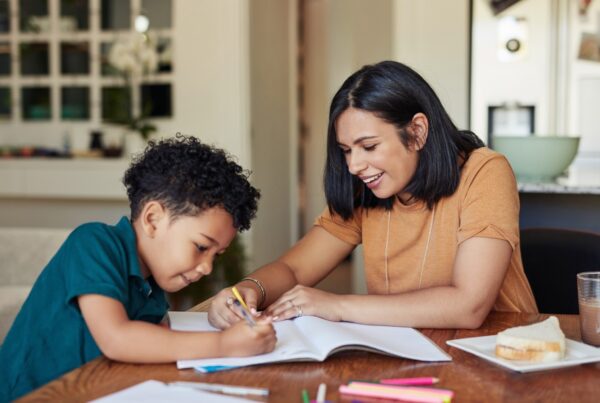
Support does not need to feel heavy or high-pressure. In 1st grade, effective tutoring often looks like conversation, visuals, read-aloud discussion, sorting, drawing, and short writing practice. The goal is to help your child understand the ideas behind the lesson and feel more capable in class.
Tutoring Support
K12 Tutoring supports families by meeting students where they are academically and helping them build understanding step by step. In 1st grade social studies, that can mean strengthening vocabulary, map skills, sequencing, discussion responses, and concept comprehension in ways that match your child’s pace and classroom experience.
When tutoring is personalized, children get immediate feedback, guided practice, and space to ask questions that they may not ask during the school day. For parents trying to understand how tutoring helps with 1st grade social studies foundations, the value often comes from making big ideas clearer, reducing frustration, and helping a child participate with more confidence and independence over time.
Related Resources
- How To Build Your Child’s Confidence: A Parent’s Guide – Crimson Rise
- How High-Quality, Small-Group Tutoring Can Accelerate Learning – IES (U.S. Department of Education)
- Roles in Gifted Education: A Parent’s Guide – davidsongifted.org
Trust & Transparency Statement
Last reviewed: May 2026
This article was prepared by the K12 Tutoring education team, dedicated to helping students succeed with personalized learning support and expert guidance. K12 Tutoring content is reviewed periodically by education specialists to reflect current best practices and family feedback. Have ideas or success stories to share? Email us at [email protected].