Key Takeaways
- Kindergarten science asks young learners to observe, describe, compare, predict, and talk about what they notice in the world around them.
- Many children understand science ideas best through hands-on practice, repeated language support, and guided conversations with an adult.
- Parents who want to understand how tutoring helps kindergarten science skills often find that one-on-one support gives children more time to ask questions, sort ideas, and build confidence.
- Personalized instruction can help your child connect classroom activities such as weather charts, plant observations, and sink-or-float experiments to clear scientific thinking.
Definitions
Observation is when your child uses their senses to notice details, such as whether a leaf feels smooth, looks green, or smells fresh.
Prediction is a simple science guess based on what your child already knows, such as thinking a rock will sink because it feels heavy.
Why kindergarten science can feel harder than it looks
Kindergarten science often looks playful from the outside. Children may plant seeds, talk about seasons, sort objects by texture, or watch ice melt in a cup. But underneath those activities, teachers are building important academic habits. Your child is learning how to pay attention to details, use new vocabulary, listen to directions, compare results, and explain thinking out loud.
That combination can be challenging for young learners. A child may love the hands-on part of science but struggle to answer questions like, “What changed?” or “How do you know?” Another child may notice many details but have trouble putting those details into words. In a busy classroom, teachers do a great job creating rich science experiences, but not every student gets the same amount of time to process, repeat, and respond.
This is one reason parents often ask about how tutoring helps kindergarten science skills. Tutoring is not about making science more serious than it needs to be. It is about giving your child a calmer space to practice the exact thinking that science class requires. In one-on-one or small-group support, a tutor can slow down a lesson, repeat key words, and guide your child through simple reasoning step by step.
From an educational standpoint, kindergarten students usually learn science best when ideas are concrete, visual, and connected to everyday experiences. They need many chances to touch, sort, observe, and talk. When a child misses one part of that process, such as the language piece or the comparison piece, science can start to feel confusing even if the child is curious and capable.
What children are really learning in kindergarten science
In elementary science, the goal is not memorizing long facts. Kindergarten science usually focuses on early life science, earth science, physical science, and scientific habits of mind. Your child may study living and nonliving things, weather patterns, animal needs, plant growth, motion, light, water, and the five senses. These topics sound simple, but each one asks children to build foundational thinking skills.
For example, when your child learns about plants, the class may not stop at naming roots, stems, and leaves. The teacher may ask students to observe a seed over several days, draw what changed, and explain what a plant needs to grow. That means your child must notice sequence, use time words, and connect cause and effect. If a child says, “It got bigger,” a teacher or tutor may help expand that idea into, “The seedling grew taller after we gave it water and sunlight.”
Weather lessons work the same way. A kindergarten class may track sunny, rainy, windy, and cloudy days on a calendar. Students are not just naming weather. They are practicing patterns, comparison, and evidence. A child might need help understanding the difference between what they see outside and how the weather feels on their skin. Guided instruction can help them connect those ideas.
Physical science also introduces early reasoning. During a sink-or-float activity, your child may be excited to drop objects into water, but the deeper lesson is about making a prediction, testing it, and describing the result. A tutor can pause after each object and ask, “What did you think would happen? What actually happened? What do you notice about the objects that sank?” Those questions build the kind of structured thinking that supports later science learning.
Parents can also see that science learning overlaps with language development. Children need words like rough, smooth, melt, float, observe, compare, and change. If your child is still building expressive language, science may feel harder because the ideas are there but the words come slowly. This is common, especially in kindergarten.
How tutoring supports elementary kindergarten science learning
One of the clearest ways tutoring helps in elementary kindergarten science is through pacing. In class, a science activity may move from introduction to experiment to discussion in a short period of time. Some children keep up easily. Others need more repetition before the idea sticks. A tutor can revisit the same concept with simpler materials and more time.
Imagine your child’s class is learning about living and nonliving things. In school, students may quickly sort pictures of dogs, rocks, flowers, and toy cars. Your child might memorize the right answers without fully understanding why a flower is living but a wooden chair is not. In tutoring, the adult can ask follow-up questions such as, “Does it grow? Does it need water? Was it once part of something living?” That extra conversation helps move your child from guessing to understanding.
Tutoring can also support attention and participation. Science in kindergarten often includes listening to a read-aloud, watching a demonstration, and then discussing what happened. If your child loses focus during group instruction, they may miss the key explanation that ties the activity together. Personalized support gives them another chance to hear the idea in smaller pieces. Families looking for broader help with attention-related learning habits may also find useful guidance in focus and attention resources.
Another benefit is immediate feedback. Young children often repeat incorrect ideas unless an adult gently helps them revise. For example, a child might say, “Heavy things always sink.” A tutor can respond by testing a large plastic ball and a small metal spoon, then helping your child notice that weight alone does not explain every result. That kind of feedback is powerful because it happens right in the moment of learning.
Support can also be especially helpful for children who are quiet in class. Some kindergarteners understand more than they show during whole-group lessons. They may hesitate to answer in front of classmates or need longer wait time before speaking. In a tutoring session, those children often reveal stronger thinking when they feel less pressure and more room to respond.
What does guided science practice look like for a parent?
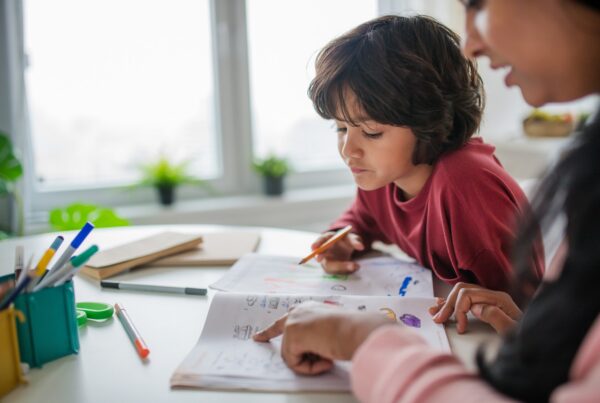
Parents often wonder what effective support should actually look like. In kindergarten science, guided practice is usually simple, interactive, and language-rich. It should not feel like a long worksheet session. A strong tutoring session might begin with a familiar object, such as an apple, an ice cube, or a toy boat, and then build a short investigation around it.
For example, if the class is studying the five senses, a tutor may place three classroom-safe objects on the table and ask your child to describe each one using touch and sight. Instead of accepting one-word answers, the tutor may model fuller sentences. “The sponge feels soft and squishy.” “The block feels hard and smooth.” This supports both science vocabulary and oral language, which are closely connected in early elementary classrooms.
If your child is learning about weather, guided practice may include looking out the window, checking a simple picture chart, and discussing what clothing matches the day’s conditions. That may seem basic, but it strengthens observation, classification, and practical application. In kindergarten, those are meaningful academic steps.
When children study animal needs, a tutor might use picture cards to compare a fish, a bird, and a dog. Your child could sort what each animal needs to live, then explain similarities and differences. If the child says, “They all need food,” the tutor can build on that with, “Yes, and what else do all living things need?” This kind of prompting helps children organize ideas without feeling corrected or rushed.
Expert-informed early learning practice also emphasizes repetition with variation. A child may need to practice the same skill several times in different contexts before it becomes reliable. Observing a plant, comparing rocks, and describing clouds all strengthen the same core habits of noticing and explaining. Tutoring can make those connections visible for your child.
Common kindergarten science challenges parents may notice
Science struggles in kindergarten do not always look like low grades. In many classrooms, they show up as hesitation, vague answers, unfinished observations, or difficulty explaining what happened in an activity. Your child may enjoy science day but come home unable to tell you what they learned. That does not mean they were not paying attention. It may mean they need more support with recall, vocabulary, or sequencing.
Some children have trouble separating what they think from what they observed. During a melting experiment, for example, a student may say, “The ice disappeared,” without understanding that it turned into water. A tutor can help by asking your child to look closely, touch safely, and describe the change in stages. This helps replace a fuzzy impression with a clearer scientific explanation.
Other children struggle with comparison language such as same, different, more, less, bigger, smaller, wet, dry, rough, and smooth. These words matter in science because they help children describe evidence. If your child knows the answer but cannot express it clearly, individualized support can make a big difference.
You may also notice difficulty with multi-step tasks. A kindergarten science activity often includes listening to directions, gathering materials, observing, and then sharing results. If one step is missed, the whole task can feel confusing. Tutoring can break that process into manageable parts and teach your child how to move through each one with confidence.
These patterns are common in early elementary learning. They do not mean your child is behind in a lasting way. They usually mean your child may benefit from more targeted practice, clearer modeling, and feedback that matches their pace.
Building confidence and independence in science over time
Asking questions, making predictions, and talking through mistakes are all part of healthy science learning. In fact, one of the best outcomes of tutoring is not just better performance on a class activity. It is a child who starts to approach science with more confidence and curiosity.
When support is personalized, your child can experience small successes that matter. They may begin by naming two weather types correctly, then move on to explaining how they know it is windy. They may first sort living and nonliving pictures with help, then later explain the rule on their own. This gradual release is important. It helps children feel that science is something they can do, not just something adults explain to them.
Good tutoring also supports independence by using feedback carefully. Instead of immediately giving answers, a tutor might ask, “What do you notice?” “Can you show me?” or “What happened first?” Those prompts encourage your child to think, observe, and speak for themselves. Over time, this can carry into the classroom, where they may become more willing to raise a hand, share an idea, or revise an answer.
Parents often see progress at home too. A child who once gave one-word responses may start commenting on puddles after rain, noticing shadows at different times of day, or asking why some objects roll faster than others. Those moments show that science thinking is becoming part of everyday life.
If your family is exploring whether extra support would help, it can be useful to think of tutoring as one tool within a larger learning partnership among parents, teachers, and students. Kindergarten science grows best when children have repeated chances to observe, discuss, and test ideas with an adult who meets them where they are.
Tutoring Support
K12 Tutoring works with families who want steady, personalized academic support that fits their child’s learning pace. In kindergarten science, that can mean helping a young learner build observation skills, strengthen science vocabulary, practice explaining results, and feel more comfortable participating in class. With guided instruction and thoughtful feedback, tutoring can support both understanding and confidence in ways that feel encouraging and age-appropriate.
Related Resources
- How To Build Your Child’s Confidence: A Parent’s Guide – Crimson Rise
- How High-Quality, Small-Group Tutoring Can Accelerate Learning – IES (U.S. Department of Education)
- Roles in Gifted Education: A Parent’s Guide – davidsongifted.org
Trust & Transparency Statement
Last reviewed: May 2026
This article was prepared by the K12 Tutoring education team, dedicated to helping students succeed with personalized learning support and expert guidance. K12 Tutoring content is reviewed periodically by education specialists to reflect current best practices and family feedback. Have ideas or success stories to share? Email us at [email protected].