Key Takeaways
- Building strong study habits at home is a gradual, achievable process for every family.
- Small, consistent steps help children of all ages develop confidence and independence.
- Clear routines, positive encouragement, and flexible expectations support lasting change.
- Parents play a powerful role in guiding, modeling, and celebrating healthy study routines.
Audience Spotlight: Growing Confidence Through Study Habits
As a parent seeking to nurture your child’s confidence habits, you may wonder how daily study routines connect with self-belief. The truth is, learning how to build stronger study habits at home gives children more than just academic skills—it builds their trust in themselves. When students see that their hard work leads to progress, they start to approach challenges with a “can-do” attitude. This boost in confidence motivates them to try new things, ask questions, and recover from setbacks. Many parents notice that consistent study routines at home help children feel prepared and proud of their efforts, whether they are tackling new math problems or reading a favorite book. Creating these habits is not about perfection, but about giving your child reliable tools to grow, learn, and feel good about themselves.
Definitions
Study habits are the regular practices and routines a student uses to learn, review, and organize their schoolwork. Study routines are the specific, repeated actions—like setting a study time or creating a quiet workspace—that form the backbone of effective study habits.
How to build stronger study habits at home: Getting started
Many parents ask, “How can I help my child develop good study habits when there are so many distractions at home?” The first step is to remember that learning how to build stronger study habits at home is a journey, not a race. Even small changes can have a big impact over time. Experts in child development note that children do best when routines are predictable yet flexible enough to fit their needs and interests. Whether your child is in elementary school, middle school, or high school—or learning in a homeschool environment—you can use these practical strategies to set them up for success.
Why are strong study habits important?
Study habits shape how children approach learning, solve problems, and handle stress. When students have clear routines, they are less likely to feel overwhelmed by homework or projects. They also gain skills that support their overall well-being, such as time management, self-motivation, and resilience. Many teachers and parents report that students with strong study habits are more likely to finish assignments on time, ask for help when needed, and feel proud of their progress. Learning how to build stronger study habits at home is one of the most valuable gifts you can give your child.
Building blocks: Five steps to stronger study habits at home
Let’s explore five actionable steps you can use to help your child develop effective study habits at home.
1. Set up a dedicated study space
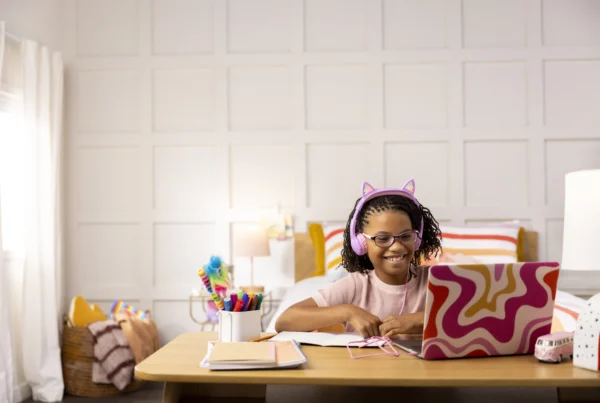
Choose a spot in your home that is quiet, well-lit, and free from distractions. This space does not have to be a formal desk; it could be a corner of the dining table or a cozy nook. Keep school supplies nearby so your child can focus on learning instead of searching for materials. Personalize the area with your child’s favorite colors or artwork to make it inviting and comfortable.
2. Create a realistic study schedule
Work with your child to select regular times each day for studying or completing assignments. Consistency helps make study time a natural part of your child’s routine. For younger children, short, frequent study sessions work best. Older students may benefit from longer blocks with planned breaks. The key is to choose times when your child is alert and not too tired or hungry. Post the schedule in a visible spot to keep everyone on track.
3. Break tasks into manageable steps
Big projects or assignments can feel overwhelming. Teach your child to break tasks into smaller, more manageable pieces. For example, instead of writing an entire report in one sitting, they might brainstorm ideas one day, write a draft the next, and edit later. Use checklists or visual trackers to help them see their progress. This approach builds confidence and reduces stress.
4. Encourage positive study habits through modeling and praise
Children learn a lot by watching adults. Show your child that you value learning by reading, writing lists, or planning your own work. Offer specific praise for effort and progress, such as, “I noticed you started your homework right after your snack today. Great job sticking to your plan!” Recognize that mistakes and setbacks are normal and focus on growth rather than perfection.
5. Teach self-reflection and flexibility
Help your child reflect on what is working and what is not in their study routine. Ask open-ended questions like, “What helps you feel ready to learn?” or “Is there a different time or place that might work better for your homework?” Adjust routines as needed. Remind your child that it is okay to make changes and that every learner is different.
Common mistakes and how to overcome them
- Trying to change everything at once: Focus on one or two new habits at a time. Small, steady changes lead to lasting results.
- Using punishment or criticism: Instead, use encouragement and problem-solving. If your child forgets a routine, gently remind them and help them reset.
- Expecting perfection: Remember that setbacks are part of learning. Celebrate progress, no matter how small.
- Comparing your child to others: Every child develops at their own pace. Focus on individual growth and strengths.
Grade band spotlight: Study routines for homeschool learners
Homeschooling offers unique opportunities and challenges for developing strong study habits. Without the structure of a traditional classroom, it is especially important to create consistent study routines that fit your family’s rhythm. Involve your child in setting goals, choosing study times, and reflecting on what helps them focus. Use visual schedules, timers, or colorful organizers to make routines engaging and clear. Remember to build in breaks for movement, creativity, and conversation. For families with multiple children, try staggered study times or mix independent and group activities. The flexibility of homeschooling allows you to celebrate your child’s progress in ways that work best for them.
Parent question: What if my child resists routines or gets discouraged?
It is very common for children to push back against new habits, especially if they feel overwhelmed or frustrated. When this happens, start with empathy. Acknowledge your child’s feelings and let them know it is okay to find things hard. Break routines into even smaller steps, offer choices where possible, and celebrate effort rather than outcome. For example, “I see you are having a tough day. Would you like to do your reading now or after lunch?” If your child continues to struggle, consider reaching out to a teacher, tutor, or counselor for extra support. Remember, learning how to build stronger study habits at home takes time and patience—for both children and parents.
Mini-scenarios: Study habits in action
- Elementary homeschooler: Olivia, age 8, used to feel anxious before math lessons. By setting up a colorful study corner and starting with ten minutes of math practice each morning, she began to look forward to learning. Her confidence grew as she saw her improvement each week.
- Middle school homeschooler: Jackson, age 12, struggled to remember assignments. His parent helped him use a visual checklist. By checking off tasks each afternoon, Jackson built independence and felt proud of staying organized.
- High school homeschooler: Alyssa, age 16, had trouble balancing projects and free time. Together with her parent, she created a weekly calendar and set realistic goals. As Alyssa practiced planning, she became more self-motivated and less stressed before deadlines.
Resources for parents: Where to learn more
For additional strategies and support, explore our resources on study habits. You can also find specific tips on time management, organizational skills, and building confidence at home. Learning how to build stronger study habits at home is a process, and you do not have to do it alone.
Related Resources
- 7 Ways to Help Your Grade-Schooler Develop Good Study Habits
- 6 Steps to Prepare for Changes to Routine in Middle School
- Child Won’t Follow a Routine or Schedule? Try These 5 Tips
Tutoring Support
At K12 Tutoring, we understand that every learner and family is unique. Our experienced tutors offer personalized support to help students develop effective study habits, build confidence, and become independent learners. If you are looking for guidance on how to build stronger study habits at home, know that you have a supportive partner at every step of your journey.
Trust & Transparency Statement
Last reviewed: October 2025
This article was prepared by the K12 Tutoring education team, dedicated to helping students succeed with personalized learning support and expert guidance. K12 Tutoring content is reviewed periodically by education specialists to reflect current best practices and family feedback. Have ideas or success stories to share? Email us at [email protected].