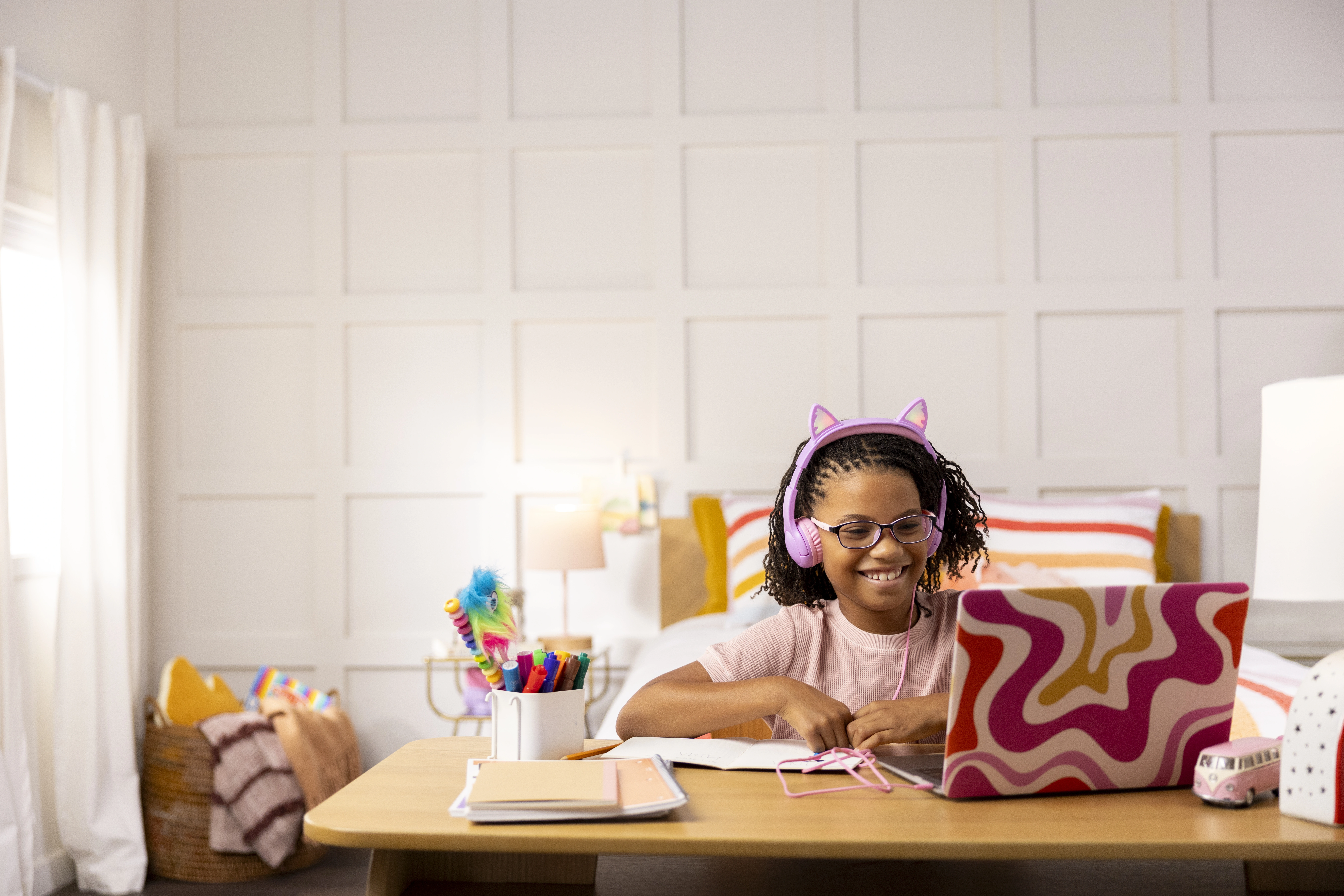
Key Takeaways
- Creating an effective study space at home helps neurodivergent elementary students focus and feel comfortable.
- Personalizing the study environment supports your child’s unique learning needs and reduces stress.
- Small changes, like lighting or noise control, can make a big difference in motivation and independence.
- There is no perfect setup; what matters most is flexibility and listening to your child’s feedback.
Audience Spotlight: Supporting Neurodivergent Learners at Home
Many parents wonder how to best support neurodivergent children—such as those with ADHD, autism, dyslexia, or sensory differences—especially when it comes to homework and learning outside of school. Creating an effective study space at home can feel overwhelming, but you are not alone. Most parents notice that their child’s needs shift from day to day, and what works for one student might not for another. By tuning into your child’s unique preferences and trying a few simple adjustments, you can help them feel more at ease and ready to learn.
Definitions
Neurodivergent: Refers to children whose brains function differently from what is considered typical. This includes but is not limited to ADHD, autism, and learning differences.
Study environment setup: The arrangement and features of a space where a child completes homework, reads, or studies. This includes physical layout, lighting, noise, and available tools.
Why Creating an Effective Study Space at Home Matters
Creating an effective study space at home is essential for all children, but especially for neurodivergent learners in elementary school. Experts in child development note that the physical environment can influence attention, motivation, and anxiety levels. For some students, a cluttered or noisy space makes it nearly impossible to focus. Others may need movement, soft lighting, or familiar objects to feel secure. Many teachers and parents report that students who have a space tailored to their needs are more likely to complete assignments, feel less frustrated, and build positive study habits.
What Makes a Good Elementary School Study Space?
An elementary school study space should feel safe, predictable, and inviting. The “best” setup will look different for each family, but here are core elements to consider:
- Consistent location: A designated spot—whether a desk, table, or cozy corner—helps cue the brain for learning.
- Minimal distractions: Remove unnecessary items, toys, or screens during study time. For some, facing a blank wall can help.
- Comfortable seating: Allow for options. Some children need a chair with back support, a wobble stool, or even a balance ball to stay engaged.
- Lighting: Natural light is best, but a desk lamp with adjustable brightness works well. Some neurodivergent learners are sensitive to fluorescent lights; try warm bulbs instead.
- Noise control: Use noise-canceling headphones, quiet background music, or a white noise machine if your child is easily distracted. Others may prefer total quiet.
- Accessible supplies: Keep pencils, paper, fidget tools, and homework folders within arm’s reach to minimize interruptions.
- Personal touches: Let your child help decorate or choose items that make the space feel theirs, such as a favorite photo or a soft blanket.
How Do I Know What My Child Needs? (Parent Q&A)
Every child is unique, and neurodivergent learners often have specific sensory or organizational needs. Try asking your child simple questions: “Does this chair feel good for your body?” “Is the light too bright or just right?” “Would you like some music or quiet?” It is normal for preferences to change. Consider observing your child as they work—do they fidget, get up often, or seem distracted by sounds? Small changes, like a different seat or moving the study spot to a quieter room, can make a big difference. Remember, creating an effective study space at home is a process of trial and adjustment, not a one-time project.
Study Environment Setup Tips for Neurodivergent Elementary Learners
- Start small: Try changing only one thing at a time, such as adding a lamp or removing clutter, and notice what helps.
- Offer choices: Give your child input—would they prefer to study at the kitchen table, a quiet nook, or even under a table with a soft mat?
- Flexible seating: Allow your child to sit, stand, or move as needed. Some children focus better with a wiggle cushion or while lying on the floor with a clipboard.
- Visual supports: Use checklists, timers, or color-coded folders to help organize tasks and reduce overwhelm.
- Scheduled breaks: Build in short movement or sensory breaks between tasks, which can help with regulation and focus.
- Routine and predictability: Try to keep study time at the same time each day, but be willing to adjust when your child is having a tough day.
- Encourage self-advocacy: Remind your child it is okay to ask for changes if something is not working.
For more ideas on how to support your child’s study habits, visit our study habits resource page.
Common Challenges and Real-Life Solutions
- Distractions everywhere: If your child is drawn to toys or siblings, try a study spot in a quieter part of the house. Use a trifold board or visual divider if needed.
- Overwhelm by clutter: Keep only essential materials in the study area. Use bins or drawers for quick clean-up before and after study time.
- Restlessness: Encourage movement breaks or use fidget tools. Some neurodivergent students need to bounce, rock, or stretch to think clearly.
- Sensory overload: Adjust lighting, reduce strong smells, or provide noise protection. Offer choices like soft textures or weighted lap pads.
- Lack of motivation: Celebrate small wins and progress. Try setting a visible goal chart or using a timer for short bursts of focus.
Combining Study Habits and Environment for Elementary Learners
Good study habits and a supportive environment go hand in hand. Creating an effective study space at home sets the foundation for routines, while gentle reminders and encouragement help your child build independence. Many parents find that when their child feels comfortable in their study space, they are more willing to try challenging tasks and less likely to resist homework. Remember, your patience and flexibility are key—what works today might need to change tomorrow, and that is perfectly normal. If you are seeking more strategies to blend study skills and environment, you can explore all skill resources available from K12 Tutoring.
Encouraging Growth, Not Perfection
It is easy for parents to feel pressure to create a “perfect” setup or to worry when things are not working. Creating an effective study space at home is about ongoing support and responding to your child’s signals. Celebrate improvements, no matter how small. Remind your child—and yourself—that needing different tools or spaces is not a weakness but a sign of self-awareness and strength.
Tutoring Support
K12 Tutoring understands the unique needs of neurodivergent learners and their families. Our tutors work with you and your child to find practical strategies for creating an effective study space at home, building confidence, and nurturing lasting study habits. Whether you need ideas for modifying your environment or support with academic skills, we are here to partner with you every step of the way.
Related Resources
- 10 Tips for Creating a Productive Study Space – SDSU Global Campus
- Focusing in Class and During Study – Bowdoin College
- 7 Proven Tips to Create the Perfect Home Learning Environment for Your Kids – Kidsville Pediatrics Blog
Trust & Transparency Statement
Last reviewed: October 2025
This article was prepared by the K12 Tutoring education team, dedicated to helping students succeed with personalized learning support and expert guidance. K12 Tutoring content is reviewed periodically by education specialists to reflect current best practices and family feedback. Have ideas or success stories to share? Email us at [email protected].