Key Takeaways
- Coaching tips for student teacher communication at home help build confidence and independence in your child.
- Open, positive communication skills can be nurtured in any home learning setting.
- Small, everyday conversations prepare students for more challenging discussions with teachers.
- Parents can model and coach key habits that foster trust, self-advocacy, and academic growth.
Audience Spotlight: Supporting Confidence Habits at Home
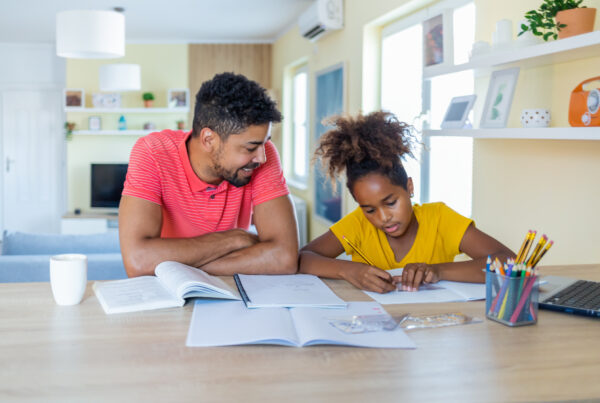
Parents who focus on confidence habits know that strong self-esteem is built step by step. Many children, especially in homeschool settings, need encouragement to speak up and ask questions with teachers and tutors. When your child learns to communicate openly, it becomes easier for them to express needs, clarify assignments, and build respectful relationships. Coaching tips for student teacher communication at home support your goal to help your child become a confident, self-assured learner—no matter their learning style or past experiences.
Definitions
Student-teacher communication means the way students and teachers share information, ask questions, and work together to solve problems or understand lessons. Self-advocacy is the ability for students to speak up for their needs, preferences, and learning goals, especially when they need support or clarification.
Why Communication Skills Matter in Homeschool Environments
Many parents notice that even the most outgoing children can struggle to communicate with teachers in structured or virtual settings. For homeschoolers, the teacher might be a parent, a virtual tutor, or an outside instructor. No matter the setup, coaching tips for student teacher communication at home help bridge gaps and set up routines for sharing questions and feedback.
Experts in child development note that students who communicate confidently with teachers are more likely to engage deeply, ask for help when needed, and resolve misunderstandings before they turn into bigger challenges. Strong communication also helps children feel connected and respected, both at home and when interacting with outside educators.
What Are Common Barriers to Student-Teacher Communication at Home?
- Fear of making mistakes: Some children worry they will look silly if they ask a question or admit confusion.
- Unclear expectations: If the line between “parent as teacher” and “parent as helper” is blurry, your child might not know when or how to ask for support.
- Perfectionism: Children who want to get everything right the first time may avoid asking for clarification.
- Past negative experiences: If your child has felt dismissed or misunderstood before, they may hesitate to speak up.
Many teachers and parents report that regular, low-pressure conversations at home can break down these barriers over time.
Coaching Tips for Student Teacher Communication at Home: Step-by-Step
It can feel overwhelming to teach communication skills, especially if your child is shy or has had struggles in the past. Here are practical coaching tips for student teacher communication at home you can use in daily routines:
- Model active listening. Show your child what it looks like to listen carefully, make eye contact, and wait for the other person to finish speaking. For example, when your child tells you about their day, put aside distractions, nod, and reflect back what you hear.
- Practice question starters. Help your child brainstorm polite ways to ask for help. Sentences like “I am not sure I understand—can you explain that again?” or “Could you show me another example?” can be rehearsed at home.
- Role-play real scenarios. Take turns pretending to be the teacher and the student. Practice common situations, such as asking for an extension, clarifying instructions, or giving feedback on an assignment.
- Encourage written communication. For students who feel anxious speaking up, start with email or written notes to the teacher or tutor. Review drafts together, focusing on being clear and respectful.
- Set small goals. If your child struggles to speak up, make a plan to ask just one question in each session. Celebrate their efforts, not just the outcome.
- Reflect after interactions. After a meeting or message exchange, talk about what went well and what could be improved. Use open-ended questions like, “How did you feel when you asked for help?”
- Normalize mistakes. Share stories of times you had to ask for clarification or admit you did not know something. Let your child see that learning is a process for everyone.
Revisit these coaching tips for student teacher communication at home regularly, so your child feels supported as their confidence grows.
How Can I Improve Homeschool Student Communication?
To improve homeschool student communication, create a safe, judgment-free space where your child is encouraged to ask questions and share concerns. Make it a habit to review each lesson together and discuss what parts were confusing or interesting. When possible, connect your child with outside teachers, tutors, or peer groups so they can practice these skills in new settings. For more ideas on self-advocacy and confidence, see our self-advocacy resource.
Grade Band Guide: Communicating with Teachers in Elementary, Middle, and High School
- Elementary (K-5): Use simple sentence starters and gentle prompts. Younger children benefit from visual aids (like feeling charts) and lots of positive reinforcement. Let them draw or write their questions if speaking is difficult.
- Middle School (6-8): Encourage your child to take more responsibility for communicating with teachers. Help them practice organizing their thoughts before meetings and using respectful language when giving feedback or making requests.
- High School (9-12): Support your teen in managing email communication, scheduling meetings, and advocating for their learning needs. Discuss the importance of professionalism and following up if they do not get a timely response.
What If My Child Is Shy or Anxious?
It is completely normal for children to feel nervous about reaching out to teachers, especially if they have struggled in the past. Try these strategies:
- Start with low-stakes practice, such as asking a parent or tutor for clarification.
- Remind your child that teachers want to help and appreciate honest questions.
- Break communication tasks into small steps and celebrate progress.
- Offer scripts or templates for emails and encourage your child to personalize them over time.
Building Self-Advocacy Through Everyday Habits
Every conversation is a chance to build self-advocacy. Encourage your child to express preferences about how they learn best, share what works for them, and politely disagree when they need something different. Over time, these habits make it easier for students to communicate confidently with any teacher, in any setting.
Want more skill-building ideas? Visit our skills resource hub for supportive guides on organization, time management, and more.
Tutoring Support
K12 Tutoring understands that every family’s communication journey is unique. Our tutors work closely with parents and students to create trusting, open lines of communication and offer personalized feedback. If you need more strategies or encouragement, we are here to help your child build lifelong skills for academic and personal success.
Related Resources
- Tips for Successful Parent-Teacher Conferences at Your Child’s School – Reading Rockets / Colorín Colorado
- Parent-Teacher Conferences: Guide for Parents – Child Mind Institute
- Promoting Effective Communication with Parents in Education – High Speed Training
Trust & Transparency Statement
Last reviewed: October 2025
This article was prepared by the K12 Tutoring education team, dedicated to helping students succeed with personalized learning support and expert guidance. K12 Tutoring content is reviewed periodically by education specialists to reflect current best practices and family feedback. Have ideas or success stories to share? Email us at [email protected].