Key Takeaways
- State tests can be stressful, but your support can help your child feel more confident and prepared.
- Simple routines, positive language, and emotional check-ins ease test-related worries.
- Creating calm testing habits early builds resilience and lifelong coping skills.
- Practical strategies can reduce test anxiety for kids and promote a healthier mindset.
Audience Spotlight: Building Confidence Habits During Testing Season
Many parents focused on confidence habits want to help their elementary school children face academic challenges with self-belief and calm. Testing season can feel like a high-pressure time, especially when kids are still learning how to manage their emotions. By modeling steady support and teaching calming strategies, you can help your child build internal tools for confidence, even under stress. This article focuses on helping elementary students feel calm about state tests by addressing emotional readiness and practical preparation.
Why Do State Tests Feel So Big to Young Learners?
For many elementary school students, state tests are their first brush with formal assessments that feel “official.” The quiet rooms, the strict rules, and the emphasis placed on test performance can make even confident students feel nervous. Many teachers and parents report that students in Grades 3–5, in particular, show signs of worry in the weeks leading up to testing. Children may express fears like “What if I don’t finish?” or “What if I get everything wrong?”
Experts in child development note that young children are still learning emotional regulation. They may not yet have the ability to separate their self-worth from their performance. That is why helping elementary students feel calm about state tests is not just about academic preparation but emotional support too.
Helping Elementary Students Feel Calm About State Tests Starts at Home
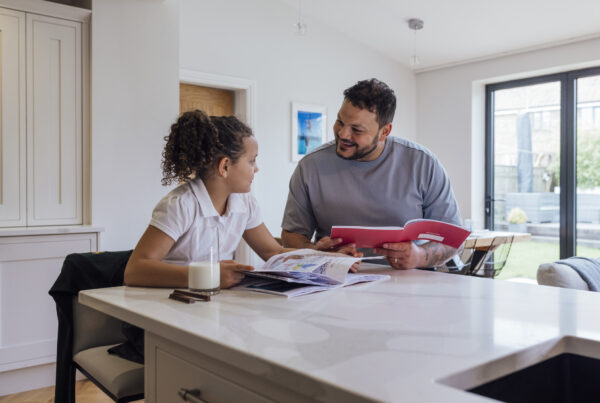
How you talk about state tests at home can shape how your child feels about them. Children often mirror adult attitudes, so if you stay calm and encouraging, your child is more likely to do the same.
- Use reassuring language. Say things like “This is just a way to show what you know” or “All we can do is our best.” This helps frame the test as a moment, not a judgment.
- Stick to routines. Predictability helps children feel safe. Keep bedtimes, meals, and school routines consistent during the testing window.
- Check in emotionally. Ask questions like “How are you feeling about the test?” and listen without correcting. Validate their emotions first, then gently reframe worries.
- Celebrate effort, not scores. After the test, focus on how hard your child tried rather than asking what they think they got right or wrong.
How Can I Reduce Test Anxiety for Kids?
One of the most effective ways to reduce test anxiety for kids is to teach calming techniques they can use before and during a test. Breathing exercises, positive self-talk, and visualization are tools even young children can learn. Try these at home:
- Square breathing: Inhale for 4 counts, hold for 4, exhale for 4, and pause for 4. Practice together at bedtime or in the car.
- Personal mantras: Help your child create a phrase like “I am ready,” “I can try my best,” or “I know how to focus.” Repeat it during stressful moments.
- Test run: Practice sitting quietly for a few minutes with a timer. This builds stamina and comfort with the test-day environment.
These strategies not only support helping elementary students feel calm about state tests but also give them lifelong tools for managing stress.
Testing & Exams: What Parents Can Expect in Grades 3–5
Most state testing begins in Grade 3. These assessments typically evaluate reading, math, and sometimes writing or science, depending on your state. The format might include multiple-choice questions, short answers, and problem-solving tasks. While the content is grade-level appropriate, the stamina and focus required can feel new and challenging to children.
Being familiar with the structure can ease your child’s anxiety. Ask your child’s teacher about practice tests or sample questions. You can also encourage your child to preview instructions and understand what to expect. Remind them it is okay to ask for clarification during the test if permitted.
Many schools offer pre-test activities like pep rallies or relaxation stations. Talk to your child about how these supports are there to help them do their best. Emphasize that testing is just one part of their learning journey.
How Do I Know if My Child Is Feeling Overwhelmed?
Parents often ask, “How can I tell if my child is really anxious about the test or just a little nervous?” Watch for the following signs at home:
- Changes in sleep or appetite
- Frequent stomachaches or headaches near test dates
- Increased emotional outbursts or irritability
- Negative self-talk like “I’m bad at school” or “I can’t do this”
If you notice any of these, you are not alone. Many parents see similar patterns during testing season. Talk to your child’s teacher or school counselor for additional insights. Addressing the issue early can prevent bigger emotional blocks from forming around school.
Focus on Growth, Not Perfection
Helping elementary students feel calm about state tests means shifting the focus from “getting it all right” to “showing what I know.” This growth mindset encourages children to see mistakes as part of learning. You can model this at home by sharing stories of times you tried hard at something challenging, whether it was a new job or learning a skill.
Encourage your child with statements like, “Tests help teachers understand how to support you,” or “It’s okay to not know every answer.” These small shifts in language can make a big impact over time.
Make It Part of a Bigger Picture
State testing is just one piece of your child’s academic experience. Remind them that learning happens every day, not just during testing week. Celebrate their curiosity, creativity, and effort year-round. That helps them see their worth as more than a score.
Looking for more ways to support your child’s personal growth and resilience? Explore our confidence-building resources for additional strategies.
Definitions
State tests: Standardized assessments that measure students’ knowledge of grade-level content in areas like math, reading, and science.
Test anxiety: A feeling of worry or fear related to taking tests, which can affect focus, performance, and emotional well-being.
Tutoring Support
If your child is struggling with test preparation or confidence, K12 Tutoring offers personalized, encouraging support tailored to elementary learners. Our tutors help students build both academic skills and emotional tools to face challenges calmly and confidently. You do not have to navigate this alone. We are here to support your child’s learning and growth.
Related Resources
- Parents’ Guide to Standardized Testing – Reading Rockets
- Comparing NAEP and State Assessments – NCES / Nation’s Report Card
- State Assessment Resources – National PTA
Trust & Transparency Statement
Last reviewed: December 2025
This article was prepared by the K12 Tutoring education team, dedicated to helping students succeed with personalized learning support and expert guidance. K12 Tutoring content is reviewed periodically by education specialists to reflect current best practices and family feedback. Have ideas or success stories to share? Email us at [email protected].