Key Takeaways
- Understand how learning dynamics shift between one-on-one and small group homeschool formats.
- Recognize your child’s confidence needs and tailor coaching accordingly.
- Discover practical coaching tips one one vs small group homeschool learning situations.
- Explore strategies to build resilience and independence in both formats.
Audience Spotlight: Building Confidence Through Coaching Strategies
Many parents seeking guidance for homeschool learning are deeply invested in growing their child’s self-esteem, motivation, and independence. If you find yourself wondering how to best support your child’s confidence habits during lessons, you’re not alone. Whether your homeschool setup involves one-on-one instruction or a small group dynamic, the right coaching approach can nurture your child’s voice and spark ownership of learning. This article offers practical coaching tips one one vs small group homeschool learning to help you guide your child with compassion and clarity.
Understanding the Difference: What Changes Between One-on-One and Small Group Homeschooling?
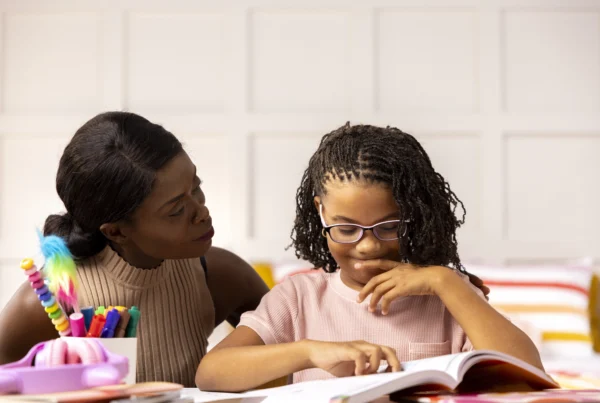
One-on-one homeschool learning typically involves a parent or tutor working directly with a single student. This format allows for highly personalized instruction, immediate feedback, and a pace that matches the student’s needs. Many parents appreciate the quiet focus and flexibility it offers, especially for younger children or those who are easily overwhelmed.
In contrast, small group homeschool learning includes two to six students, often siblings or learning pods. This format introduces peer interaction, collaborative learning, and social dynamics that can enhance engagement but also introduce distractions or comparison challenges.
Experts in child development note that both formats offer valuable learning experiences, depending on the child’s temperament, academic level, and emotional needs. The key lies in adapting your coaching style to fit the format and your child’s confidence habits.
Coaching Tips One One Vs Small Group Homeschool Learning: How to Adjust Your Approach
When it comes to coaching tips one one vs small group homeschool learning, parents can make small but meaningful shifts in their strategies to support growth and reduce frustration. Here’s how.
One-on-One: Deep Focus and Emotional Safety
- Validate effort out loud: Children thrive when their progress is acknowledged. Reflect back on their persistence or creative thinking, not just correct answers.
- Encourage self-reflection: Pause occasionally to ask your child, “What do you think helped you understand that?” or “How did you feel about that activity?” This builds metacognitive skills and confidence.
- Use the power of silence: In one-on-one settings, giving your child quiet moments to think shows trust in their ability to work through challenges.
- Celebrate small wins: Whether it’s mastering a math step or reading with expression, take a moment to name and praise specific acts of growth.
Small Group: Peer Learning and Turn-Taking
- Foster collaboration, not competition: Assign group activities where each child brings a unique role or strength, reducing comparison stress.
- Coach active listening: Model and prompt respectful listening by saying things like, “Let’s hear what your sister noticed first,” or “Can you build on that idea?”
- Set clear routines upfront: Shared expectations for turn-taking, materials, and feedback help minimize conflict and support independence.
- Debrief together: After group work, ask, “What went well as a team?” and “What’s one thing we want to try differently next time?” This builds accountability and belonging.
Formats Matter: How Homeschool Tutoring Formats and Scheduling Affect Coaching
Many teachers and parents report that the structure of learning sessions can influence a child’s sense of security and motivation. When exploring different homeschool tutoring formats and scheduling approaches, consider how your child responds to consistency, transitions, and time limits.
For instance, one-on-one sessions might benefit from shorter, more frequent lessons that allow for deep focus without fatigue. Small group sessions may work better with longer blocks that include breaks, collaborative activities, and individual reflection time.
Coaching tip: Let your child help design their weekly schedule. Giving them a voice in how and when they learn builds confidence and self-advocacy. You can also explore our time management resources for more support in setting up flexible yet structured homeschool days.
What If My Child Thrives in One Format but Struggles in the Other?
It’s normal for children to show a clear preference for either one-on-one or small group learning. Some children blossom with the quiet focus of one-on-one instruction, while others light up in conversation with peers. If your child struggles in one format, it doesn’t mean they’re failing or that the setup is wrong. It may simply require a shift in coaching.
- If your child feels left out in small groups: Assign a rotating leadership role or partner them with a peer who complements their learning style.
- If your child feels too spotlighted in one-on-one sessions: Try adding low-stakes group time during the week (like a reading circle or science project) to balance solo attention with social learning.
- If your child resists both formats: Take a step back and ask, “What part of learning feels hard right now?” Their answer may point to something deeper like anxiety, perfectionism, or a skills gap. Our confidence building resources can offer helpful next steps.
Elementary to High School: Coaching Tips Across Grade Bands
Coaching your child effectively also means adjusting for their developmental stage. Here’s how coaching tips one one vs small group homeschool learning can shift from early learners through high school.
K-5: Gentle Guidance and Visual Support
Younger children in one-on-one settings benefit from visual aids, hands-on materials, and frequent praise. In small groups, use songs, games, and movement to keep energy high while reinforcing turn-taking and kindness.
Grades 6-8: Identity and Voice
Middle schoolers are exploring their sense of self. Use coaching questions like, “What are you proud of today?” or “What helped you stay focused?” Encourage peer feedback in small groups to reinforce positive social interactions.
Grades 9-12: Independence and Ownership
High schoolers thrive when given autonomy. One-on-one sessions can shift toward goal-setting and skill refinement. In small groups, encourage student-led discussions or collaborative projects. This builds real-world readiness and peer accountability.
Definitions
One-on-one homeschool learning: An instructional format where one teacher or parent works with a single child.
Small group homeschool learning: A learning format involving multiple students, typically two to six, engaging in shared instruction.
Tutoring Support
Every child learns differently, and every parent brings a unique strength to the homeschool journey. If you’re unsure how to adapt your coaching to match your child’s learning format, K12 Tutoring is here to help. We offer personalized guidance for families navigating both one-on-one and small group settings, always with your child’s confidence and growth at heart.
Related Resources
- Why One-on-One Tutoring Outperforms Two-on-One – Stanford/NSSA
- Scaling Up High-Dosage Tutoring Is Crucial to Students’ Academic Success – Center for American Progress
- How High-Quality, Small-Group Tutoring Can Accelerate Learning – Institute of Education Sciences (IES)
Trust & Transparency Statement
Last reviewed: December 2025
This article was prepared by the K12 Tutoring education team, dedicated to helping students succeed with personalized learning support and expert guidance. K12 Tutoring content is reviewed periodically by education specialists to reflect current best practices and family feedback. Have ideas or success stories to share? Email us at [email protected].