Key Takeaways
- Understand your child’s needs before selecting a tutoring format.
- Be mindful of common mistakes to avoid in online vs inperson tutoring when comparing options.
- Establish realistic expectations for both online and in-person learning environments.
- Support struggling learners by staying involved and communicating with tutors regularly.
Audience Spotlight: Supporting Struggling Learners Through Format Choices
For many parents of struggling learners in elementary school, tutoring can feel like a lifeline. It offers personalized attention and a chance to rebuild confidence. But deciding between online and in-person tutoring brings new questions. Will my child stay focused online? Will they feel comfortable meeting a tutor face-to-face? These are common concerns, and they matter. This guide explores the mistakes to avoid in online vs inperson tutoring so you can make informed decisions and set your child up for success.
Understanding the Differences: Online vs In-Person Tutoring
Many parents assume tutoring is tutoring, regardless of how it’s delivered. But the format can significantly affect your child’s experience, especially if they struggle with attention, motivation, or anxiety. Choosing the right tutoring format is about more than convenience. It’s about how your child learns best.
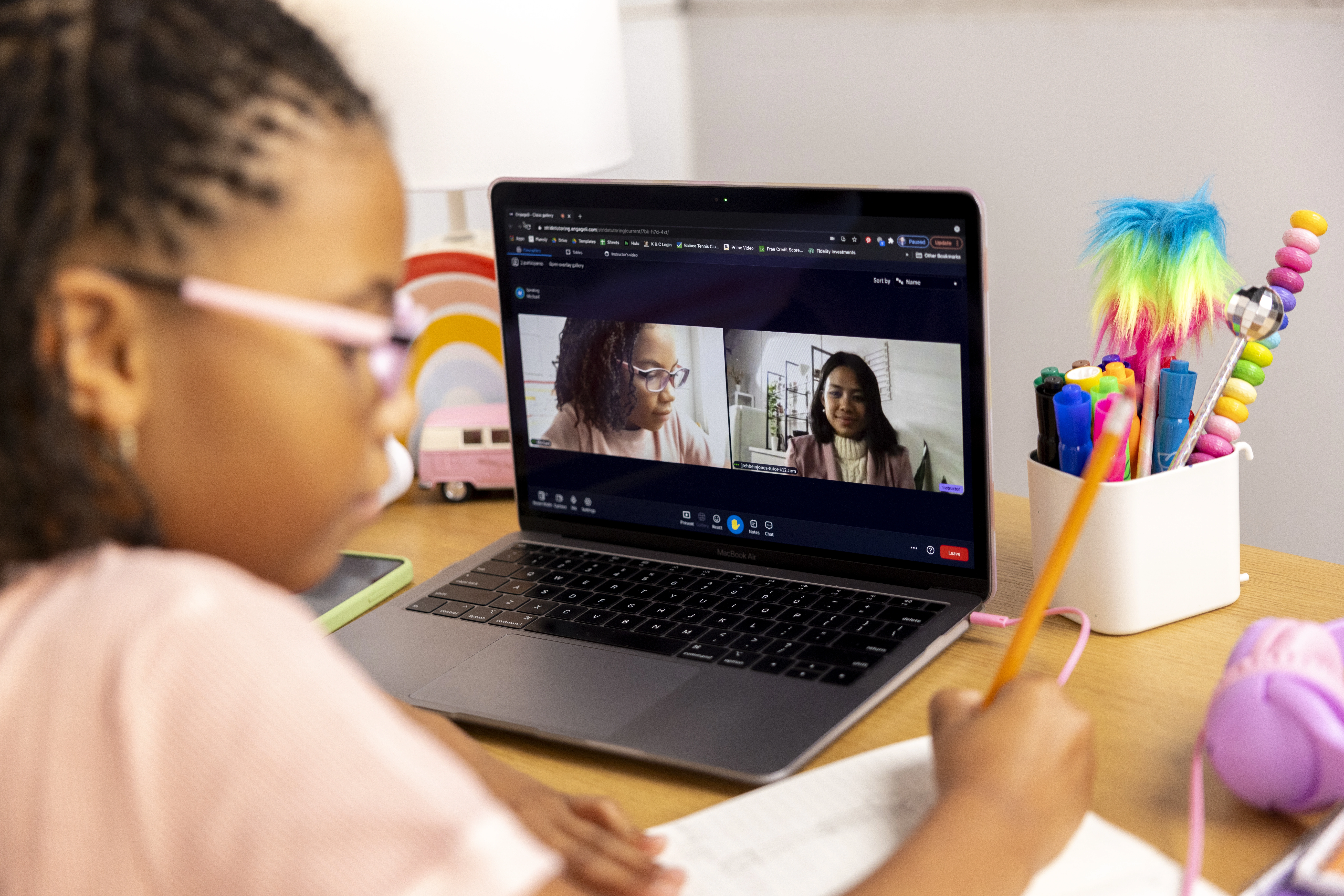
Online tutoring offers flexibility, eliminates travel time, and often provides access to a wider range of subject experts. In-person tutoring, on the other hand, can offer structure, fewer distractions, and more direct human connection. Both have their strengths. The key is matching the format to your child’s needs and avoiding common pitfalls.
5 Mistakes to Avoid in Online vs Inperson Tutoring
Let’s explore the most common mistakes to avoid in online vs inperson tutoring, especially for younger children or those who need extra support.
1. Assuming your child will adapt easily to any format
Every child is different. Some thrive in digital environments, while others feel overwhelmed. Many parents report that their elementary-aged children struggle to concentrate during online sessions, especially without structure at home. Others find their child freezes up during in-person sessions due to social anxiety.
Start by observing your child’s learning style. Do they do better when they can move around? Do they need face-to-face encouragement? These clues can help you decide which format fits best.
2. Ignoring the importance of environment
One of the biggest mistakes to avoid in online vs inperson tutoring is overlooking the learning environment. For online tutoring, this means setting up a quiet, distraction-free space with reliable internet. For in-person tutoring, it’s about ensuring the location is comfortable and safe, whether it’s at your home, a center, or the tutor’s location.
Experts in child development note that environment plays a major role in focus and productivity, especially for younger learners. Creating a predictable routine and dedicated space helps your child mentally shift into “learning mode.”
3. Expecting the same level of engagement in both formats
Online sessions can be engaging, but they require different tools and strategies than in-person ones. Younger children might need more visuals, breaks, or interactive features to stay focused online. In-person tutors can more easily adjust with physical activities, tactile tools, or movement-based learning.
Many teachers and parents report that when a tutoring format is not adjusted to match attention span and energy levels, children disengage quickly. Ask your tutor what strategies they use to keep sessions interactive, and check in with your child afterward to see how they felt.
4. Overlooking communication with the tutor
In both formats, staying connected with the tutor is essential. But it’s easy to lose touch in online tutoring. Without drop-off or pickup moments, parents may miss opportunities to ask questions or share updates.
Make a habit of scheduling regular check-ins. Share what’s working and where your child is still struggling. This collaboration helps tutors tailor their approach and makes your child feel supported from all sides.
5. Choosing based on convenience alone
It’s tempting to pick the option that fits into your schedule easiest. But one of the key mistakes to avoid in online vs inperson tutoring is letting convenience outweigh your child’s learning needs. While online tutoring may save time, it may not be effective if your child finds screens exhausting. Likewise, in-person tutoring might be hard to maintain if travel causes stress or missed sessions.
Consider doing a trial session in both formats. Watch how your child responds, and ask them how they feel afterward. Their feedback can be more valuable than any checklist.
Elementary School-Specific Challenges in Choosing the Right Tutoring Format
When your child is in elementary school, attention span, emotional regulation, and executive function are all still developing. This makes the tutoring format even more significant. For struggling learners, the right match can ease frustration and build confidence. The wrong one can deepen academic anxiety.
Many parents of K-5 students share that their children need more support to stay on task during online sessions. Others find that in-person tutoring allows their child to build a stronger relationship with the tutor, which motivates them to try harder. Each family’s experience is different, but the goal remains the same: help your child feel seen and capable.
If your child has an IEP or struggles with attention, you may also want to explore our focus and attention resources.
Definitions
Online tutoring: Instructional support delivered through video calls or digital platforms, often using shared screens, virtual whiteboards, and messaging tools.
In-person tutoring: Face-to-face academic support that takes place at home, a tutoring center, or another agreed-upon physical location.
Tutoring Support
At K12 Tutoring, we understand how important it is to find the right format for your child’s unique learning style. Whether you’re navigating online options or exploring in-person support, our tutors are trained to meet students where they are. We work closely with families to avoid common setbacks and build a strong, personalized foundation for learning success.
Related Resources
- Online vs In-Person Tutoring: Which Works Best for Your Child – Wise Live
- Online vs In-Person Tutoring: Which Option Really Works Best – Growing Stars
- Online vs In‑Person Tutoring: Making the Right Choice – Growing Stars
Trust & Transparency Statement
Last reviewed: December 2025
This article was prepared by the K12 Tutoring education team, dedicated to helping students succeed with personalized learning support and expert guidance. K12 Tutoring content is reviewed periodically by education specialists to reflect current best practices and family feedback. Have ideas or success stories to share? Email us at [email protected].