Key Takeaways
- Learning struggles in elementary school often bring emotional challenges like frustration, anxiety, or low confidence.
- Understanding the emotional side of learning struggles in elementary helps parents better support their child’s academic and emotional growth.
- Simple strategies at home can make a big difference in building your child’s resilience and self-esteem.
- Early emotional support can prevent long-term stress and disengagement from school.
Audience Spotlight: Supporting Struggling Learners Emotionally
Many parents of struggling learners worry about more than just grades. You might notice your child crying over homework, avoiding school, or saying things like “I’m just not smart.” These moments reveal how deeply learning challenges can affect your child’s emotions. Understanding the emotional side of learning struggles in elementary allows you to meet not just their academic needs, but their emotional ones too.
Struggling learners often try hard but don’t always see the results they hope for. This gap between effort and outcome can lead to frustration, self-doubt, or even shame. Your support and empathy play a powerful role in helping your child feel safe, capable, and motivated to keep trying.
Understanding the Emotional Side of Learning Struggles in Elementary
Learning difficulties in elementary school don’t just show up in report cards or reading levels. They often show up in your child’s mood, confidence, and behavior. Understanding the emotional side of learning struggles in elementary is key to supporting your child holistically. When a child repeatedly struggles with reading, math, or writing, they may begin to associate learning with failure or embarrassment.
Experts in child development note that early academic setbacks can influence a child’s self-image. Instead of seeing a mistake as part of learning, they might see it as proof that they are “bad at school.” Over time, this can create a cycle of anxiety and avoidance that makes learning even harder.
Many teachers and parents report that struggling learners often show signs of stress through behavior, such as acting out, shutting down, or refusing to try. These behaviors are not signs of laziness, but signals of emotional overload.
How Emotions Show Up in Elementary Struggles
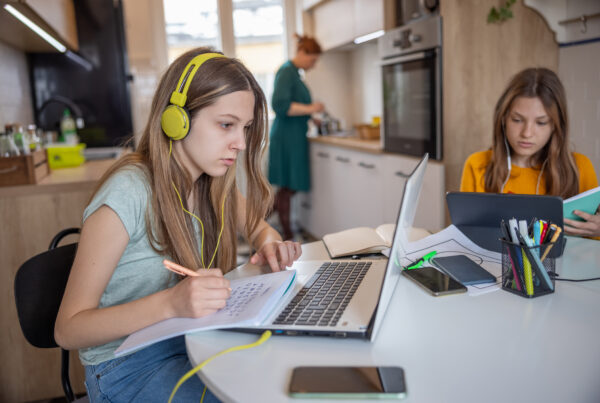
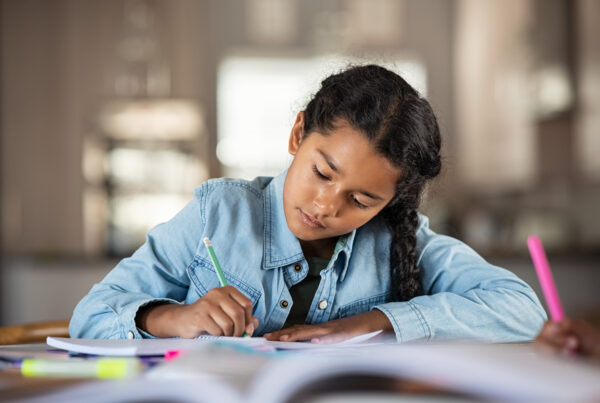
Your child may not always have the words to express how they feel. Instead, their emotions can show up in subtle (or not-so-subtle) ways. Here are some behaviors to look for:
- Homework meltdowns: Tears, frustration, or refusal to start assignments may stem from a fear of failure.
- Physical symptoms: Complaints of stomachaches or headaches can be signs of school-related anxiety.
- Negative self-talk: Statements like “I can’t do anything right” indicate low self-esteem tied to learning difficulties.
- Perfectionism: A child who erases their work repeatedly or avoids turning things in may fear judgment or not being “good enough.”
These emotional responses are common in children who feel overwhelmed or behind. As a parent, simply noticing and naming these feelings—without judgment—can help your child feel understood and supported.
Why Early Emotional Support Matters
Elementary school is a critical time for developing a growth mindset. When children learn that effort leads to improvement and that mistakes are part of learning, they build resilience. But without emotional support, struggling learners may internalize failure and disengage from school altogether.
Understanding the emotional side of learning struggles in elementary helps you respond in ways that protect your child’s motivation and mental health. Offering reassurance, celebrating small wins, and staying patient during tough moments teaches your child that their value is not tied to perfect grades.
Over time, your child will begin to see challenges as opportunities—not threats. That shift can make all the difference in their academic journey.
Helping Elementary Students Manage Emotions at Home
One of the best ways to support your child is through regular emotional check-ins. Make time to ask open-ended questions like, “What was the hardest part of your day?” or “What do you wish your teacher knew?” These conversations build trust and help your child feel safe sharing their struggles.
Here are a few simple ways of helping elementary students manage emotions:
- Create a calm-down space: A quiet spot with books, fidgets, or drawing supplies can help your child self-regulate after a tough day.
- Use visuals: Emotion wheels or charts can give your child language to describe how they feel.
- Model coping strategies: When you feel frustrated, show how you take deep breaths or take a break. Your child learns emotional tools by watching you.
- Celebrate effort: Praise your child for sticking with hard tasks, not just for getting the right answer.
These strategies may seem small, but over time, they can shift your child’s relationship with learning from fear to confidence.
What Can Parents Do When Nothing Seems to Help?
It’s normal to feel discouraged if your child continues to struggle despite your support. You might wonder, “Am I missing something?” or “Is this more than just a phase?” These questions are valid. In fact, they show how deeply you care. If emotions seem to be getting worse, or if your child begins avoiding school entirely, it’s a good idea to talk with their teacher or a school counselor.
Sometimes deeper learning needs are at play, such as dyslexia or ADHD. Getting the right evaluations and support can lift a weight from your child’s shoulders. You can also explore skill-building strategies to help your child thrive emotionally and academically. Our confidence-building resources can be a helpful starting point.
Grade Band Focus: Emotional Impact in Elementary School (K-5)
In early grades (K-2), emotions may show up through clinginess, tantrums, or reluctance to go to school. Young children often lack words for their feelings, so they may act out when overwhelmed. Keeping routines predictable and offering lots of reassurance can help them feel secure.
By grades 3-5, children become more aware of how they compare to classmates. They may start to feel embarrassed about needing help or being pulled out for extra support. Encouraging a growth mindset and highlighting their unique strengths can bolster their confidence.
Understanding the emotional side of learning struggles in elementary allows you to respond with compassion, not correction. Your calm presence helps your child feel safe even when things feel hard.
Definitions
Emotional regulation: The ability to recognize and manage one’s feelings in healthy ways, especially during stress or frustration.
Growth mindset: The belief that abilities can improve through effort and learning, rather than being fixed traits.
Tutoring Support
At K12 Tutoring, we understand that learning challenges are often tied to emotional hurdles. Our personalized approach supports the whole child—building academic skills while also helping students feel seen, capable, and supported. Whether your child is struggling with reading, math, or confidence, our tutors provide a caring, consistent presence that helps them grow.
Related Resources
- The Emotional Impact of Learning Difficulties: Supporting Your Child’s Wellbeing – Learning & Literacy Clinic (Australia)
- School Anxiety and Refusal – YoungMinds (UK)
- School Stress Is Hurting Our Children: A Parent’s Guide to Educational & Mental Health – Kids Mental Health Canada
Trust & Transparency Statement
Last reviewed: November 2025
This article was prepared by the K12 Tutoring education team, dedicated to helping students succeed with personalized learning support and expert guidance. K12 Tutoring content is reviewed periodically by education specialists to reflect current best practices and family feedback. Have ideas or success stories to share? Email us at [email protected].