Key Takeaways
- Middle school is a time of rapid emotional development, and mood swings are common.
- Struggling learners often experience added frustration and self-doubt that can affect emotional stability.
- Parents play a vital role in supporting their child’s emotional health through empathy and structure.
- Consistent routines and open communication can help in managing emotional ups and downs.
Audience Spotlight: Supporting Struggling Learners Through Emotional Challenges
For parents of struggling learners, middle school can feel like an emotional rollercoaster. Your child might be facing academic pressure, social stress, or feelings of not measuring up. These experiences often bring emotional highs and lows that are difficult for them to regulate on their own. Understanding emotional ups and downs in middle school is essential for helping your child navigate this complex stage of development with confidence and resilience.
Why Middle School Emotions Feel So Intense
Middle school is a time of significant change. Hormonal shifts, new peer dynamics, and increasing academic expectations all converge. It is completely normal for a child in grades 6-8 to feel overwhelmed one day and confident the next. For struggling learners in particular, these emotional swings can be more intense. When a child is already working hard to keep up academically, even small setbacks can spark big emotional reactions.
Many teachers and parents report that children who struggle in school often internalize failure. They may say things like, “I’m just not smart” or “I’ll never get this right.” These beliefs can snowball into anxiety, sadness, or even avoidance behaviors like skipping homework or withdrawing from class discussions.
Understanding Emotional Ups And Downs In Middle School: What Parents See at Home
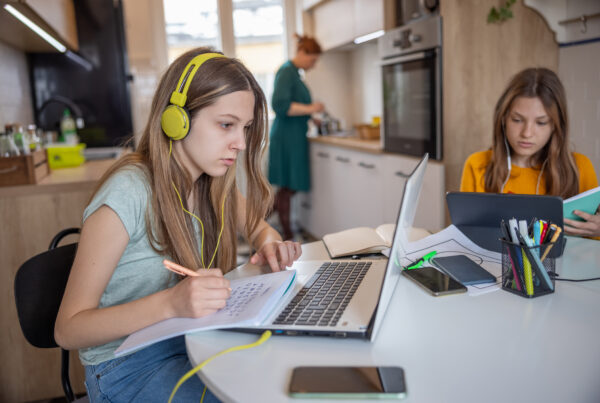
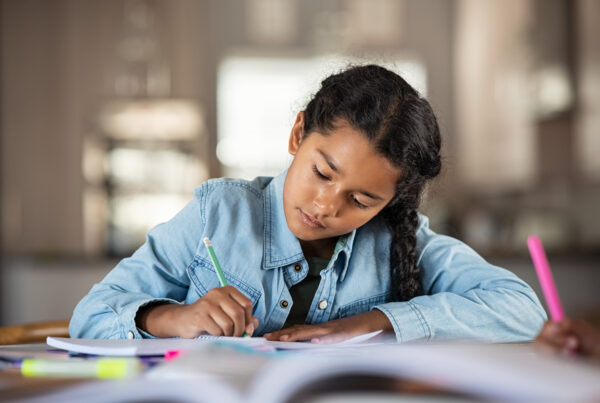
Understanding emotional ups and downs in middle school starts with observing your child’s behaviors at home. You might notice your child slamming the door after school, shutting down during homework time, or crying over what seems like a small mistake. These responses are not signs of disrespect or laziness. They are often signals of deeper emotional overwhelm.
One parent shared that her daughter, who struggles with reading, would burst into tears any time a reading assignment came home. The emotional reaction had little to do with the actual homework and everything to do with the shame and frustration she felt from previous experiences. Recognizing these patterns can help you respond with compassion instead of correction.
Managing Emotions for Middle School Students: What Helps
Managing emotions for middle school students can feel like a challenge, but there are practical ways parents can guide their children through tough moments. Start by validating their feelings. Saying, “It makes sense that you’re upset—this assignment is really hard,” shows your child that their emotions are understood. This helps build trust and reduces emotional resistance.
Experts in child development note that emotional resilience is built through consistent support and opportunities for reflection. Help your child name their emotions: “Are you feeling frustrated, embarrassed, or tired?” When children can identify what they are feeling, they are better able to process and manage those emotions.
Structure also plays a crucial role. Predictable routines, clear expectations, and visual checklists can reduce anxiety and help children feel more in control. You can explore tools like organizational strategies to help your child manage school demands more smoothly.
Common Emotional Responses in Struggling Learners
Struggling learners may show a range of emotional responses when faced with academic challenges. These can include:
- Anger or irritability when asked to start homework
- Procrastination, often fueled by fear of failure
- Sadness or withdrawal after a poor grade
- Perfectionism or refusal to try due to fear of making mistakes
These behaviors are not intentional defiance. They are coping mechanisms that your child uses to deal with feelings they may not know how to express.
How Can I Help My Child Cope with Emotional Swings?
Many parents ask, “How can I help my child cope with emotional swings in middle school?” The answer is part patience, part planning. Here are a few strategies that can make a difference:
- Stay calm during outbursts. Your steady presence helps regulate your child’s emotions.
- Check in regularly. A quick, “How did your day go?” opens the door for conversation.
- Use a feelings chart. These visual tools help children identify and articulate their emotions.
- Model healthy coping. When you manage your own stress openly, your child learns by example.
Small steps like these create an emotionally safe environment where your child feels supported, not judged.
Middle School and the Emotional Impact of Struggling
The emotional impact of struggling in middle school can ripple into many areas of a child’s life. School challenges can affect self-esteem, friendships, and even their willingness to try new things. That is why understanding emotional ups and downs in middle school is key to helping your child build confidence and develop lifelong coping skills.
Some children may benefit from learning targeted skills to boost confidence. Our confidence-building resources offer tools to help children reframe negative thoughts and celebrate small wins. When children feel seen and supported, they are more willing to engage with learning, even when it’s hard.
Working with Teachers to Support Emotional Growth
Teachers are valuable partners in supporting your child’s emotional development. If you notice frequent emotional outbursts or shutdowns, check in with your child’s teacher. Do they see the same thing at school? Collaborating with educators helps create a more complete picture of your child’s needs.
Some families find success by setting up regular communication with teachers or school counselors. You can also ask about classroom strategies for self-regulation. These might include movement breaks, access to a quiet corner, or permission to use calming tools like stress balls or timers.
Definitions
Emotional regulation: The ability to manage and respond to emotional experiences in a healthy, appropriate way.
Struggling learner: A student who faces ongoing academic challenges, often needing extra support to meet grade-level expectations.
Tutoring Support
At K12 Tutoring, we understand how emotional struggles can affect learning. Our tutors are trained to support not just academic growth, but emotional well-being too. We work with families to build confidence, reduce frustration, and help students find joy in learning again.
Related Resources
- Understanding the Concerns of Parents of Students with Disabilities – Reading Rockets
- Seeking Help for a Struggling Reader: 8 Steps for Parents – Reading Rockets
- The Critical Role of Mental Health Services for Individuals with LD – National Center for Learning Disabilities (NCLD)
Trust & Transparency Statement
Last reviewed: November 2025
This article was prepared by the K12 Tutoring education team, dedicated to helping students succeed with personalized learning support and expert guidance. K12 Tutoring content is reviewed periodically by education specialists to reflect current best practices and family feedback. Have ideas or success stories to share? Email us at [email protected].