Key Takeaways
- Recognize that emotional struggles in high school are common and manageable.
- Provide consistent emotional support and open communication at home.
- Help your child build coping strategies and confidence through small wins.
- Know when to seek outside help, like school counselors or tutoring support.
Audience Spotlight: Struggling Learners in High School
Many parents of struggling learners notice that academic difficulties in high school often come with emotional side effects. Your child may feel overwhelmed, anxious, or discouraged when their efforts don’t seem to match their results. These emotional challenges can be just as significant as the academic ones. The good news is that with the right strategies and support system, your child can build resilience and regain their confidence. This article provides guidance for parents like you who are committed to helping your high schooler thrive both academically and emotionally.
The emotional impact of struggling: what parents need to know
High school is a time of increased academic pressure, social changes, and personal growth. For students who are already struggling academically, these demands can lead to emotional roadblocks. Overcoming emotional roadblocks for high school learners often starts with understanding what those barriers look like.
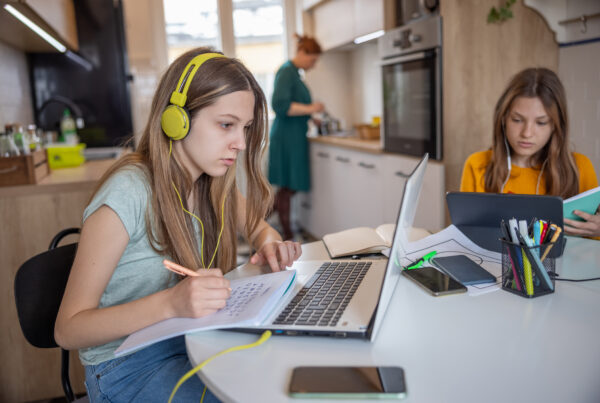
Anxious students may fear failing tests or disappointing teachers. Others may feel embarrassed about needing extra help or comparing themselves to peers. These feelings can spiral into avoidance behaviors like procrastination or skipping class. Many teachers and parents report that when students feel emotionally stuck, it becomes harder for them to engage with learning at all.
Experts in child development note that emotional distress can interfere with executive function skills, such as planning and organization. This means that a student who is upset may also struggle to prioritize tasks or manage time effectively, further deepening the cycle of frustration.
How emotional barriers show up at home and school
You might notice your child saying things like “I’m just not good at this” or “School doesn’t matter anyway.” These statements can signal more than just frustration—they may reflect a deeper sense of hopelessness. Emotional barriers can show up in subtle ways, such as:
- Frequent headaches or stomachaches before school
- Loss of motivation or interest in favorite subjects
- Poor sleep habits and high irritability
- Withdrawing from social activities
Overcoming emotional roadblocks for high school learners often requires looking beneath the surface of these behaviors. What may appear as laziness or defiance is often a sign of emotional overload.
Supporting your high schooler through emotional struggles
As a parent, your support plays a powerful role in your child’s emotional well-being. Here are some ways to help your high schooler navigate emotional challenges tied to learning:
1. Validate their emotions
Let your child know it’s okay to feel stressed or discouraged. Phrases like “I can see this is really hard for you” or “It’s normal to feel overwhelmed sometimes” can help reduce feelings of shame and isolation.
2. Focus on effort, not just outcomes
Recognize and praise your child’s efforts, even when the results aren’t perfect. Emphasizing effort helps build a growth mindset and encourages persistence.
3. Create a safe space for conversations
Check in regularly without judgment. Ask open-ended questions like, “What was the toughest part of your day?” or “What’s one thing you wish was different at school?” These questions can open the door to deeper conversations.
4. Teach small coping strategies
Help your child learn simple techniques for managing stress, such as deep breathing, breaking tasks into steps, or taking short movement breaks. These habits can make a big difference over time.
5. Build routines and structure
Consistent daily routines provide a sense of control and predictability, which can ease emotional stress. Encourage set times for homework, meals, and sleep.
For more on how structure supports learning, visit our time management resource.
High school and the emotional impact of struggling
Overcoming emotional roadblocks for high school learners often means addressing both the academic and emotional sides of learning. In Grades 9–12, students are preparing for major transitions—college, jobs, independence. When they experience setbacks, it can feel like everything is at stake.
Parents often feel unsure whether to step in or let their child work through challenges on their own. The key is balance: support your child emotionally while also giving them space to learn from mistakes. Encourage reflection by asking, “What do you think you’d do differently next time?” This promotes resilience and problem-solving skills.
Providing emotional support for high school students does not mean solving every problem for them. It means listening, encouraging, and guiding them toward solutions they can own.
When to seek outside help
If your child’s emotional struggles are affecting their daily functioning—such as avoiding school, withdrawing from friends, or expressing hopelessness—it may be time to involve professionals. School counselors, psychologists, and tutors trained in supporting struggling learners can help identify underlying issues and create a plan of support.
Sometimes, academic struggles tie back to learning differences or attention challenges. If you suspect this may be the case for your child, visit our executive function resource to learn more.
Definitions
Emotional roadblocks: Emotional challenges that prevent a student from engaging fully in learning, such as anxiety, low confidence, or fear of failure.
Struggling learners: Students who face ongoing difficulties in learning despite effort and support, often needing tailored strategies to succeed.
Tutoring Support
At K12 Tutoring, we understand how emotional challenges can affect learning. Our tutors work with high school students to build confidence, develop healthy habits, and strengthen academic skills. Whether your child needs help with a subject or ongoing emotional encouragement, we’re here to support your family every step of the way.
Related Resources
- The Emotional Impact of Learning Difficulties: Supporting Your Child’s Wellbeing – Learning & Literacy Clinic (Australia)
- School Anxiety and Refusal – YoungMinds (UK)
- School Stress Is Hurting Our Children: A Parent’s Guide to Educational & Mental Health – Kids Mental Health Canada
Trust & Transparency Statement
Last reviewed: November 2025
This article was prepared by the K12 Tutoring education team, dedicated to helping students succeed with personalized learning support and expert guidance. K12 Tutoring content is reviewed periodically by education specialists to reflect current best practices and family feedback. Have ideas or success stories to share? Email us at [email protected].