Key Takeaways
- Homeschooling challenges can trigger frustration and self-doubt in students of all ages.
- Creating emotional safety at home supports resilience and learning.
- Helping homeschooled students cope with frustration and self doubt starts with consistent routines and empathetic conversations.
- Parents play a powerful role in modeling how to handle setbacks and build confidence.
Audience Spotlight: Supporting Struggling Learners at Home
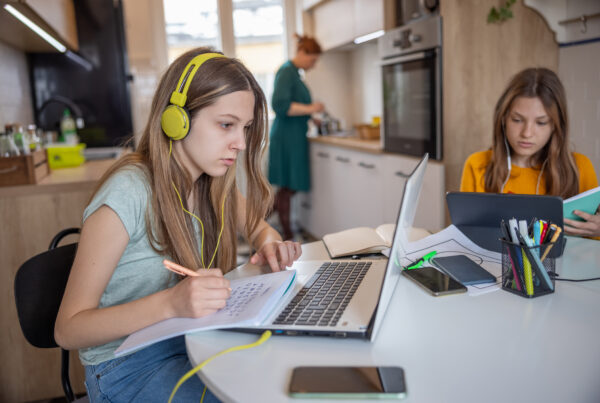
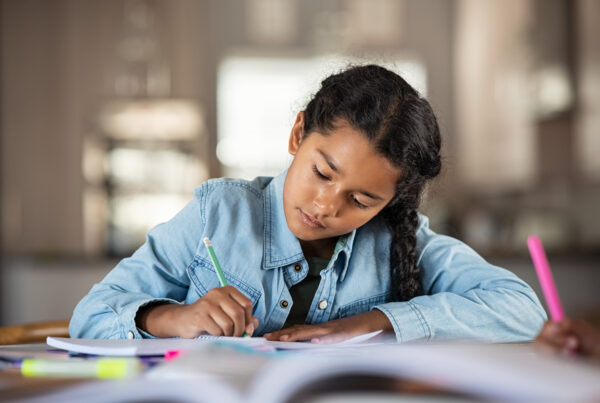
Many parents of struggling learners who homeschool worry when their child’s mood shifts from motivated to discouraged. Whether it’s a math concept they just can’t grasp or a writing assignment that brings tears, emotional setbacks can appear suddenly and feel overwhelming. If your child has ever cried over a workbook or shut down mid-lesson, you’re not alone. These feelings can be especially intense when there’s no classroom peer group to normalize challenges. That’s why helping homeschooled students cope with frustration and self doubt is so important. With the right tools and family support, your child can develop the emotional strength to learn through difficulty.
Why Do Homeschooled Students Feel Frustrated or Doubt Themselves?
Even in the most nurturing homeschool environments, children can become anxious or discouraged about schoolwork. Without comparison to classmates, homeschooled students often set high expectations for themselves. When they struggle, they may assume they are failing or not smart enough. This can lead to self-doubt that impacts both academics and emotional health.
Experts in child development note that frustration often stems from a mismatch between a child’s skill level and the task at hand. If the material is too hard or presented in a way that doesn’t match their learning style, a child may become overwhelmed. Other times, perfectionism or fear of making mistakes can prevent them from even starting.
Helping homeschooled students cope with frustration and self doubt involves identifying the source of these emotions and easing them through validation, structure, and encouragement.
What Does Emotional Overload Look Like in Different Grade Levels?
Each age group shows emotional frustration differently. Recognizing these patterns can help you respond with patience and clarity.
K-5: Early Learners
Younger children may cry, resist sitting down for lessons, or say things like “I can’t do it” or “I’m dumb.” Their emotional vocabulary is still developing, so tantrums or withdrawal may be their way of expressing stress. Keeping lessons short and celebrating small wins can help them build confidence.
Grades 6–8: Middle Schoolers
Preteens may express frustration through sarcasm, avoidance, or sudden disinterest. They might compare themselves to siblings or friends in traditional school. Normalizing emotional ups and downs while giving them more choice in learning can re-engage their interest.
Grades 9–12: High School Students
Older students may internalize failure and become quietly discouraged. You might hear them say, “What’s the point?” or notice them procrastinating. These students benefit from structured goal setting and supportive check-ins that reinforce their autonomy and progress.
How Can Parents Build Emotional Safety at Home?
Creating an emotionally safe homeschool environment means your child feels secure enough to express frustration without fear of shame or punishment. Here are a few ways to foster that safety:
- Listen first. When your child is upset, pause lessons and simply ask, “What feels hard right now?” Let them talk it out.
- Validate feelings. Saying “I see you’re frustrated, and that’s okay” helps your child feel understood, not judged.
- Model emotional coping. Share your own moments of struggle and how you got through them. This shows them that setbacks are part of learning.
- Break tasks into smaller steps. Sometimes completing just one part of an assignment can restore confidence.
Support for homeschool student emotions starts with consistent routines and open conversations. Try incorporating mindfulness breaks, stretch time, or outdoor play to help reset your child’s mood during tense moments.
What If My Child Says They’re “Not Smart Enough”?
This kind of self-doubt can be heartbreaking to hear. Many teachers and parents report that struggling learners often misinterpret difficulty as a sign of low intelligence. But learning is not linear, and every student has unique strengths. Remind your child that struggling doesn’t mean they’re not smart — it means they’re growing.
Respond with statements like:
- “You’re learning something new, and that takes time.”
- “Let’s figure out what part is confusing so we can work through it together.”
- “Everyone learns differently, and this is just one way to try.”
Helping homeschooled students cope with frustration and self doubt means helping them reframe tough moments as opportunities to build resilience, rather than proof of failure.
Practical Tools to Boost Confidence and Reduce Overwhelm
Here are some hands-on ideas to support your homeschooler emotionally and academically:
- Use visual trackers. Seeing progress helps children believe in their ability to improve. Try sticker charts, checklists, or journals.
- Incorporate strengths daily. If your child loves art, let them draw their understanding of a science concept. If they enjoy movement, turn math problems into a game.
- Use flexible pacing. If a lesson is causing tears, pause and return to it later. Mastery matters more than schedule.
- Celebrate effort. Praise your child for sticking with a task or asking for help, not just getting the right answer.
For more confidence-building strategies, visit our confidence resources.
When Should I Seek Extra Help?
If your child consistently resists learning, shows signs of anxiety, or speaks negatively about themselves, it may be time to explore additional support. A professional tutor, learning coach, or counselor can offer strategies tailored to your child’s needs. Helping homeschooled students cope with frustration and self doubt is easier when you have a team in your corner.
You can also check out our Struggling Learners hub for information, tips, and encouragement.
Definitions
Frustration: A feeling of irritation or upset caused by being unable to do something or achieve a goal.
Self-doubt: A lack of confidence in one’s own abilities or decisions, often triggered by setbacks or criticism.
Tutoring Support
At K12 Tutoring, we understand the unique emotional and academic needs of homeschool families. Whether your child struggles with focus, confidence, or specific subjects, our tutors offer personalized support that fits your routine and goals. We’re here to help your child rediscover joy in learning and resilience in the face of setbacks.
Related Resources
- Self-Esteem and Children Who Struggle With Reading – PBS Parents
- “Understanding School Refusal in Kids and Teens” – Stony Brook Medicine
- “A Parent’s Guide to a Struggling Teen” – Axis.org
Trust & Transparency Statement
Last reviewed: November 2025
This article was prepared by the K12 Tutoring education team, dedicated to helping students succeed with personalized learning support and expert guidance. K12 Tutoring content is reviewed periodically by education specialists to reflect current best practices and family feedback. Have ideas or success stories to share? Email us at [email protected].