Key Takeaways
- Frustration and self-doubt are common emotional hurdles for homeschooled children.
- Parents can help by creating emotional safety and modeling resilience during tough learning moments.
- Self-awareness, structure, and encouragement all support long-term emotional growth.
- Daily practices like connection time and reflection help kids build emotional regulation skills.
Audience Spotlight: Struggling Learners at Home
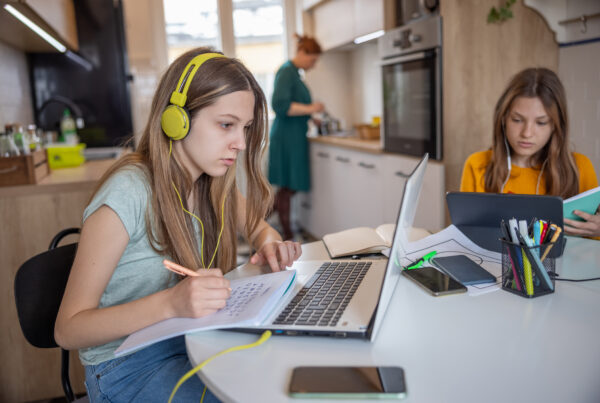
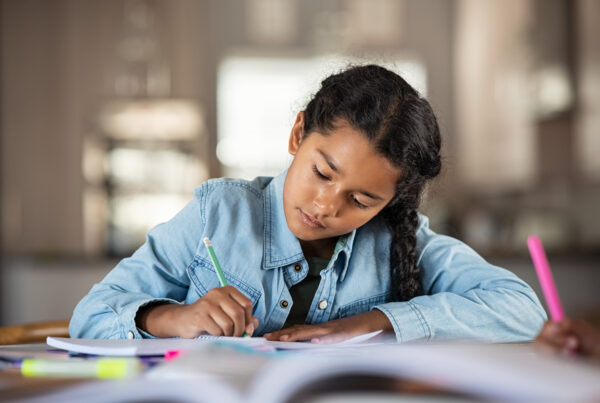
Homeschooling gives families the flexibility to personalize education, but it can also spotlight emotional struggles, especially for kids who find learning hard. Many parents of struggling learners notice that their child hits a wall during lessons, becomes overwhelmed quickly, or says things like “I’m just not smart.” These signs of frustration and self-doubt are not unusual. In fact, they are common responses when learning feels confusing or progress feels slow. Helping homeschooled kids handle frustration and self doubt is part of the emotional journey that supports long-term resilience and confidence.
Understanding Frustration and Self-Doubt in Homeschooled Kids
Frustration often shows up when a task feels bigger than a child’s ability, or when learning something new takes more time than expected. Self-doubt can build after repeated struggles, especially if a child compares themselves to siblings or friends in traditional school settings. These emotions are not signs that homeschooling is failing. They are signs that your child needs emotional support alongside academic guidance.
Experts in child development note that emotional regulation skills are learned over time. Your child may not yet have the tools to name their feelings or know how to respond when things get hard. Many teachers and parents report that students who struggle with reading, math, or writing are more likely to experience emotional setbacks. These feelings are valid—and they can be addressed with consistency, empathy, and the right strategies.
What Does Frustration Look Like by Age Group?
Elementary (K-5)
Younger children might cry, shut down, or say they hate school. A math worksheet might lead to tears, or a reading passage might result in a full refusal to continue.
Middle School (6-8)
Preteens might express frustration through sarcasm or withdrawal. They may say things like, “This is stupid” or “Why do we have to do this anyway?” even when the lesson is appropriate for their level.
High School (9-12)
Older students might express self-doubt more clearly. They may say, “I’m not good at this” or “I’m never going to get into college.” For homeschooled teens, this can also connect to worries about being behind or missing out socially.
How Can I Tell if My Child Is Struggling Emotionally?
Watch for patterns. Is your child reluctant to start lessons every day? Are they avoiding specific subjects? Do they show signs of low self-esteem, like calling themselves dumb or quitting quickly? These can all indicate a need for emotional support. Helping homeschooled kids handle frustration and self doubt begins with noticing these subtle cues.
Strategies That Work: Building Confidence Through Daily Habits
Here are several ways to help your homeschooled child manage frustration and reduce self-doubt over time:
- Normalize struggle: Remind your child that everyone learns at their own pace. Share stories of times you had to work hard to learn something.
- Use a strengths-based approach: Highlight what your child is good at, even if it’s not academic. Are they creative? Kind? Curious? These qualities matter.
- Break tasks into smaller steps: A long assignment can feel overwhelming. Divide it into manageable chunks and celebrate progress.
- Model calm problem-solving: When your child gets upset, stay calm and guide them through solutions. Say things like, “Let’s figure this out together.”
- Use visual supports: A feelings chart or check-in board helps kids name emotions and track how they change during the day. This builds emotional awareness.
- Establish routines: Predictability helps reduce anxiety. Keep a consistent start and end time, and include breaks for movement and creativity.
For more tools to support emotional resilience, visit our confidence-building resource page.
How Much Is Too Much? When to Pause and Reassess
Sometimes, frustration signals that a lesson or method is not working. If your child is frequently in tears or resistant, it may be time to adjust. This is not a failure—it’s a strength of homeschooling. You can pause, reflect, and make changes that truly suit your child’s needs. Helping homeschooled kids handle frustration and self doubt sometimes means stepping back to protect their emotional well-being.
This might look like:
- Switching to a hands-on learning method
- Shortening lesson time while keeping goals clear
- Bringing in a tutor or support group to reduce parent-child tension
- Reframing goals to include emotional growth, not just academic mastery
Creating a Safe Emotional Climate at Home
Support for homeschooled students emotions starts with how we respond to their big feelings. Create a space where it’s safe to say, “I’m overwhelmed,” without fear of being rushed or dismissed. Use open-ended questions like, “What part felt hardest today?” or “What would help you feel more confident next time?”
Encourage your child to reflect on what worked and what didn’t. This builds self-awareness and gives them a voice in their own learning. Even simple routines like a daily journal or end-of-day check-in can make a big difference over time.
Definitions
Frustration: A feeling of annoyance or helplessness that happens when a person struggles to achieve a goal or complete a task.
Self-doubt: A lack of confidence in one’s own abilities or decisions, often triggered by repeated challenges or criticism.
Tutoring Support
Homeschool parents do not have to navigate emotional struggles alone. K12 Tutoring offers personalized support for both academic and emotional needs. Whether your child is struggling with math, reading, or feeling confident in their ability to learn, our tutors help build skills and self-esteem through one-on-one guidance. We focus on supporting the whole learner—because growth happens emotionally and academically.
Related Resources
- School Anxiety and Refusal – YoungMinds (UK)
- School Stress Is Hurting Our Children: A Parent’s Guide to Educational & Mental Health – Kids Mental Health Canada
- Parenting a Struggling Learner – Tips and Resources – GEMM Learning Blog
Trust & Transparency Statement
Last reviewed: November 2025
This article was prepared by the K12 Tutoring education team, dedicated to helping students succeed with personalized learning support and expert guidance. K12 Tutoring content is reviewed periodically by education specialists to reflect current best practices and family feedback. Have ideas or success stories to share? Email us at [email protected].