Key Takeaways
- Emotional resilience helps elementary students bounce back from setbacks and manage stress.
- Parents can support resilience through empathy, routines, and positive reinforcement.
- Common emotional struggles like frustration or anxiety are normal in young learners.
- Building emotional resilience in elementary students starts with consistent, small steps at home and school.
Audience Spotlight: Struggling Learners and Emotional Growth
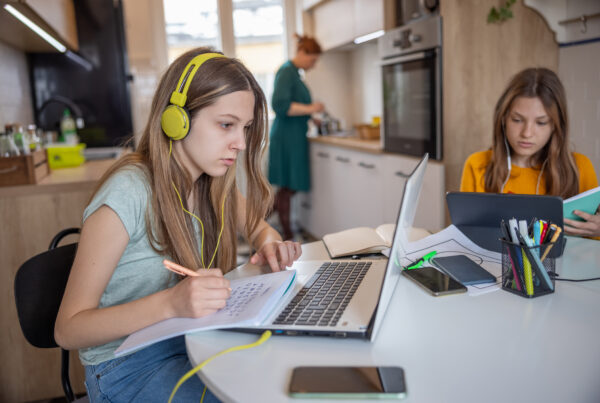
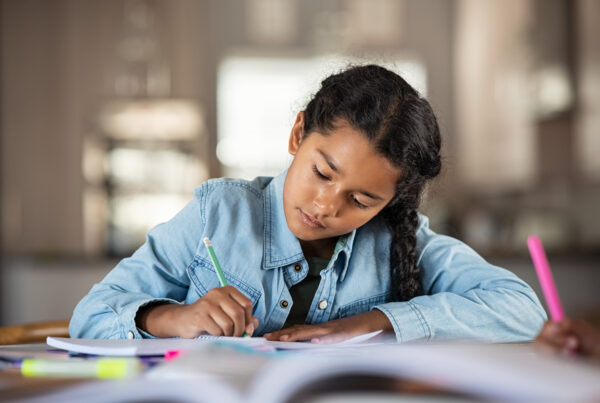
Many parents of struggling learners notice their child becomes discouraged or overwhelmed when faced with academic challenges. These emotional hurdles are more than just fleeting moods. They can impact motivation, focus, and confidence. For elementary students, especially those who find learning difficult, emotional resilience is not just helpful—it is essential. Building emotional resilience in elementary students empowers them to cope with stress, adapt to change, and believe in their ability to improve.
What Is Emotional Resilience?
Emotional resilience is a child’s ability to recover from setbacks, adapt to change, and keep trying even when things are difficult. It does not mean ignoring feelings. It means learning to feel and express emotions in healthy ways, and to keep going even when they feel frustrated or sad.
Why Struggling Learners May Feel More Emotionally Drained
When young learners fall behind or struggle with reading, math, or classroom behavior, they sometimes believe they are not capable. This belief can lead to fear of failure, low self-esteem, or resistance to new challenges. Many teachers and parents report that struggling learners often experience more frustration or anxiety during homework time or after tough school days.
Experts in child development note that children who receive regular encouragement and support at home are more likely to develop resilience, even if school feels hard. Emotional resilience does not erase the struggle, but it gives children tools to cope with it and to grow.
How Building Emotional Resilience In Elementary Students Begins At Home
Parents play a powerful role in shaping how children respond to stress and setbacks. Building emotional resilience in elementary students starts with simple, daily habits that encourage emotional awareness and problem solving. Here are a few ways you can help at home:
- Name the feeling: Help your child identify and label emotions. Say things like, “It looks like you’re feeling really frustrated with this math problem.”
- Model calm responses: When you show calmness during stressful moments, your child learns how to do the same.
- Celebrate effort, not just success: Praise your child for trying, even if the outcome is not perfect. This builds a growth mindset.
- Stick to routines: Predictable routines offer a sense of security that supports emotional well-being.
Practical Tools to Help Elementary Students Manage Emotions
Every child can learn strategies to better understand and regulate their emotions. To help elementary students manage emotions, consider introducing these tools:
- Emotion thermometers: Use a visual scale (1 to 5) to help your child rate their feelings. This can open up conversations about what they need.
- Calm-down kits: Fill a small box with comforting items like a stress ball, coloring sheet, or soft toy your child can use when upset.
- Storytelling: Share stories from your own life about times you made mistakes or felt nervous and how you got through it.
- Mindful breathing: Teach your child to take slow, deep breaths when they feel overwhelmed. Even a few minutes can make a big difference.
These tools are especially helpful for struggling learners, who may feel discouraged more often. Helping your child feel capable of handling their emotions is just as important as helping them with schoolwork.
Common Emotional Barriers in Grades K–5
Each elementary grade level brings new learning demands, and with them, emotional challenges. Understanding what your child might be feeling can help you respond with greater empathy and support.
- K–2 (Kindergarten through Grade 2): Younger children often struggle with separation anxiety, frustration with routines, or difficulty sharing. They may cry easily or have tantrums when overwhelmed.
- Grades 3–5: As academic expectations increase, so can feelings of self-doubt. Children may compare themselves to peers, worry about grades, or feel embarrassed about needing help.
In both age groups, normalizing emotions and creating space to talk about them can ease the pressure. Remind your child that everyone struggles sometimes and that asking for help is a smart and brave choice.
What if My Child Seems Prone to Big Reactions?
Some children are naturally more sensitive or reactive. That is not a flaw—it means they may feel things more deeply. If your child often has strong emotional responses, try to:
- Stay close and calm while they process their emotions.
- Use simple, predictable language like “You are safe. I’m here. We’ll figure this out together.”
- Afterward, reflect on what helped them calm down and what they might try next time.
Over time, your child will learn to recognize when emotions are rising and how to respond in ways that feel safe and constructive.
When to Seek Additional Help
If your child’s emotional reactions interfere with daily routines, school attendance, or friendships, consider speaking with a pediatrician, teacher, or school counselor. Emotional resilience takes time to build, but if your child seems stuck or overwhelmed most of the time, added support can make a big difference.
Resources like confidence-building strategies or self-advocacy tools can also support your child’s emotional and academic development.
Definitions
Emotional resilience: The ability to recover from setbacks, adapt to change, and keep trying despite challenges.
Regulation: A child’s ability to control their emotional responses and behavior in different situations.
Tutoring Support
At K12 Tutoring, we understand that academic success is deeply connected to emotional well-being. Our personalized support considers your child’s learning needs and emotional barriers, helping them build confidence alongside skills. Whether your child is working through frustration, anxiety, or low motivation, we’re here to partner with you every step of the way.
Related Resources
- School Stress Is Hurting Our Children: A Parent’s Guide to Educational & Mental Health – Kids Mental Health Canada
- Parenting a Struggling Learner – Tips and Resources – GEMM Learning Blog
- The Psychological Impact of Parental Pressure on Kids and Teens – Relational Psych
Trust & Transparency Statement
Last reviewed: November 2025
This article was prepared by the K12 Tutoring education team, dedicated to helping students succeed with personalized learning support and expert guidance. K12 Tutoring content is reviewed periodically by education specialists to reflect current best practices and family feedback. Have ideas or success stories to share? Email us at [email protected].