Key Takeaways
- Classroom confidence begins with feeling safe, seen, and supported in school environments.
- Small, consistent efforts at home can help your child grow their belief in themselves and their abilities.
- Teachers and parents working together can create a strong foundation for confidence and academic success.
- Helping your child reflect on progress and celebrate small wins builds lasting motivation.
Audience Spotlight: Confidence & Habits for Elementary Students
Parents who are focused on building their child’s confidence and habits often notice early signs of hesitation, fear of making mistakes, or reluctance to participate in class. These moments are common and completely normal. The journey toward growing classroom confidence for elementary students starts by recognizing these signs and responding with empathy, encouragement, and structured support. Your role as a parent is powerful. Even simple daily habits can help your child feel more capable and willing to take healthy risks in the classroom.
Why Confidence Matters in Elementary School
Confidence in young students is more than just raising a hand or giving a correct answer. It is about believing that their voice matters, that mistakes are part of learning, and that they belong in the classroom community. When children feel confident, they are more willing to try new things, ask questions, and persist through challenges. These early habits set the tone for how they will approach learning for years to come.
Experts in child development note that self-confidence during elementary school is closely linked to academic engagement, emotional resilience, and the development of strong peer relationships. A confident learner is more likely to bounce back from setbacks, advocate for themselves, and develop a love of learning that lasts.
How to Tell if Your Child Is Struggling With Confidence
Many parents notice subtle signs that their child may be feeling unsure in school. These can include not wanting to go to school, saying “I’m not good at this,” avoiding homework, or staying quiet during group activities. Some children may become perfectionists, fearing that making a mistake means failure. Others might act out or withdraw entirely.
These behaviors can come from a place of self-doubt or fear of being judged. Understanding the root cause allows you to respond with compassion and targeted support rather than frustration or pressure.
Practical Ways to Support Confidence at Home
There are many simple ways you can help your child start growing classroom confidence for elementary students right from home:
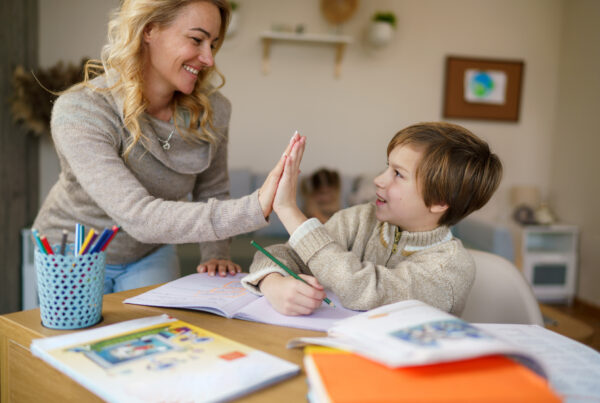
- Celebrate small wins: Whether your child finishes a book, speaks up in class, or tries a new math problem, take time to acknowledge their effort.
- Model confidence: Share times when you faced something difficult and stuck with it. Let your child see that confidence is learned, not something you either have or don’t.
- Encourage problem-solving: Instead of offering quick fixes, guide your child to think through solutions and reflect on outcomes.
- Set achievable goals: Help your child break big challenges into smaller steps. Use a simple checklist or goal chart to track progress and celebrate milestones.
- Practice positive self-talk: Teach your child to replace negative thoughts with encouraging ones, like “I’ll try my best” or “Mistakes help me learn.”
For more ideas, explore our confidence-building resources.
Building Confidence in the Classroom: What Teachers See
Many teachers and parents report that when a child’s confidence increases, participation, focus, and enthusiasm follow. Teachers often note that confident students are more likely to raise their hand, ask for help, and contribute to group work. Small gestures like making eye contact, keeping a positive tone, and giving students room to make choices all reinforce classroom confidence.
Open communication with your child’s teacher helps reinforce these efforts. Ask how your child responds to challenges and how they interact with peers. Together, you can identify routines or strategies that work well both at home and in school.
How Can I Help My Child Build Confidence in School?
If you’re wondering how to build confidence in school for your child, start by asking about their day in a non-judgmental way. Encourage them to share what felt good and what felt hard. Use these conversations to guide your support. For example, if your child avoids reading aloud, practice reading short stories together at home. If they feel anxious about math, try fun math games that build skills in a low-pressure setting.
Reinforce the message that trying is more important than getting things perfect. Let them know it is okay not to know all the answers, and that learning is a process. Remind them of past challenges they overcame, and highlight the progress they have already made.
Consider using structured strategies like role-playing, journaling, or visual progress trackers. These tools help children build awareness of their growth and develop positive habits around learning.
Confidence in the Classroom for Grades K-5
In elementary school, confidence looks different at each grade level:
- Kindergarten to Grade 2: Children are learning how to follow routines, share space with classmates, and try new things. Encouragement and predictable structure help them feel safe and brave.
- Grades 3 to 5: Students begin comparing themselves to peers, which can impact self-esteem. Support their efforts and interests, and help them focus on their personal growth rather than competition.
At any age, reminding your child that confidence grows with practice can ease their worries. You might say, “You were nervous about show-and-tell last month, and now you speak in front of the class with a smile. That’s confidence growing.”
Definitions
Classroom Confidence: A student’s belief in their ability to participate, try challenges, and contribute meaningfully in a classroom environment.
Self-Talk: The internal dialogue children have with themselves, which can influence their confidence, motivation, and emotional well-being.
Tutoring Support
Every child can learn how to feel confident and capable in the classroom. At K12 Tutoring, we understand the emotional and academic building blocks that support growing classroom confidence for elementary students. Our personalized approach meets your child where they are and helps them take the next step forward. Whether your child needs encouragement, skill development, or structure, we’re here to help.
Related Resources
- Six Tips for Communicating Student Progress to Parents
- How to Celebrate Small Wins in Your Child’s Development – Kids First Services
- 13 Ways to Celebrate Students’ Small Wins and Build Motivation – Edutopia.org
Trust & Transparency Statement
Last reviewed: November 2025
This article was prepared by the K12 Tutoring education team, dedicated to helping students succeed with personalized learning support and expert guidance. K12 Tutoring content is reviewed periodically by education specialists to reflect current best practices and family feedback. Have ideas or success stories to share? Email us at [email protected].