Key Takeaways
- Confidence grows when homeschool students feel seen, heard, and capable.
- Daily routines, positive feedback, and peer interaction help build resilience.
- Confidence and habits are closely linked to long-term academic and emotional success.
- Parents can foster a growth mindset with simple, consistent actions at home.
Audience Spotlight: Supporting Confidence & Habits at Home
Parents who focus on Confidence & Habits often ask how they can help their child feel more self-assured without a traditional classroom setting. Whether your child is shy, anxious, or simply unsure of their abilities, developing confidence among homeschool students is both possible and rewarding. Many parents find that when their children feel emotionally secure, their learning motivation and independence begin to flourish. This article offers tips for families looking to support their homeschooler’s emotional growth alongside academic progress.
Why is developing confidence among homeschool students so important?
Confidence is more than just a personality trait. It’s a skill that can be nurtured through thoughtful experiences and consistent encouragement. For homeschool families, the learning environment is flexible, but it may lack some of the traditional social settings that help children test their independence and self-worth. Developing confidence among homeschool students means helping them believe in their abilities, take initiative, and bounce back from setbacks without fear.
When confidence is low, even bright students may hesitate to participate, avoid challenges, or give up easily. These emotional barriers can quietly interfere with learning progress. On the other hand, confident students are more likely to take risks, ask questions, and set ambitious goals.
How daily homeschool routines can foster self-belief
Many parents wonder if their homeschool approach is “enough.” One powerful thing to remember is that confidence comes from consistency and connection. A child who knows what to expect each day and feels supported in their efforts is more likely to take on challenges.
- Start the day with a confidence check-in: Ask your child what they feel good about and what seems hard. This opens the door for emotional honesty.
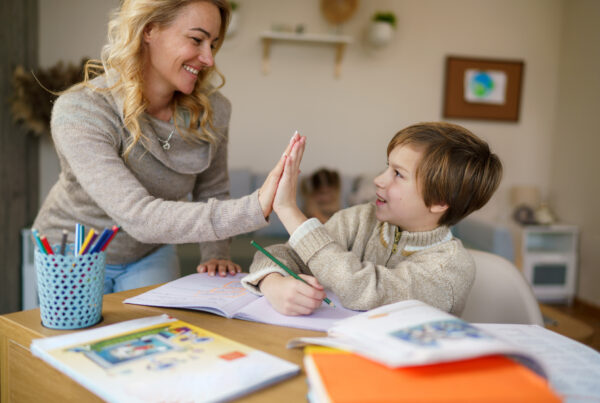
- Celebrate small wins: Whether it’s finishing a math lesson or reading aloud without help, recognize effort over perfection.
- Use visual schedules: Seeing their tasks and progress helps students feel in control and capable.
- Encourage reflection: End the day by asking, “What are you proud of today?”
Experts in child development note that students who reflect on their progress and feel ownership over their learning tend to develop greater resilience over time. Building this habit within your daily routine can create a positive feedback loop that reinforces self-worth.
How can I help my homeschooler feel confident around peers?
One challenge homeschool families sometimes face is reduced peer interaction. While this varies widely depending on your approach, many parents ask how to help their child feel socially confident. The key is not the number of social experiences but the quality and structure of them.
Here are a few ideas to boost your child’s confidence in social and academic settings:
- Join local homeschool groups: Regular meetups create safe spaces to practice conversation, collaboration, and public speaking.
- Use role-playing: Practice introducing themselves, asking questions, or sharing opinions in low-pressure, playful ways.
- Encourage leadership: Let your child plan a family activity or “teach” a younger sibling. Leadership roles build pride and agency.
Many teachers and parents report that children thrive when they feel their voice matters. Even small opportunities to speak up or take part in a group decision can build lasting confidence.
Grade-specific tips for building classroom confidence in homeschool settings
Elementary (K-5)
Young learners are still discovering who they are. Confidence at this stage often comes from praise, play, and predictability.
- Give specific praise: Instead of “good job,” say “I love how you kept going even when it was tricky.”
- Incorporate pretend play and storytelling: These help children explore emotions and express ideas.
- Limit comparison: Focus on individual growth rather than benchmarks.
Middle School (6-8)
Middle schoolers seek independence but often fear failure. Confidence here means helping them see mistakes as part of learning.
- Discuss growth mindset: Talk openly about how brains grow when we try hard things.
- Set reasonable challenges: Let your child pick a personal goal and support their progress.
- Provide structured feedback: Use rubrics or reflection sheets to highlight strengths and next steps.
High School (9-12)
Older students benefit from confidence that comes from self-direction and skill mastery. They need space to lead and reflect.
- Encourage self-assessment: Have your teen grade their own work before reviewing it together.
- Foster self-advocacy: Teach them to ask for help, seek resources, and express needs.
- Connect learning to goals: Whether it’s college, a trade, or a passion project, link tasks to long-term purpose.
Confidence in the classroom: even when the classroom is your kitchen table
The term “classroom confidence” might bring to mind a child raising their hand or speaking in front of peers. In a homeschool setting, confidence might look like a child independently solving a math problem, explaining an idea to a sibling, or showing up with curiosity for the day’s lessons.
To build self esteem in homeschoolers, parents can create an environment that rewards effort, encourages curiosity, and honors each child’s learning style. This may mean allowing more choice in subjects, using movement-based learning for kinesthetic learners, or integrating interests like music or nature into daily lessons.
One helpful approach is to include structured reflection time each week. Ask open-ended questions like:
- What are you proud of this week?
- What was challenging and how did you handle it?
- What do you want to try next week?
These conversations build emotional awareness and help students understand that confidence is not about being perfect, but about being persistent and self-aware.
For more strategies on confidence and classroom habits, explore our confidence-building resources.
Definitions
Confidence: A belief in one’s ability to succeed or handle challenges. It grows through experience and encouragement.
Growth mindset: The belief that abilities can improve through effort, learning, and persistence rather than being fixed traits.
Tutoring Support
At K12 Tutoring, we understand that emotional growth is just as important as academic progress. Our tutors are trained to support confidence-building strategies that meet your child where they are. Whether your homeschooler struggles with motivation, self-doubt, or executive function, we can help them build the habits and emotional tools they need to thrive.
Related Resources
- A Celebration of Learning: Why It Matters & How to Host One – Prepared Parents
- A Strong Finish to the School Year – Harvard GSE
- Celebrating Milestones in Your Child’s Life – The MomCo Blog
Trust & Transparency Statement
Last reviewed: November 2025
This article was prepared by the K12 Tutoring education team, dedicated to helping students succeed with personalized learning support and expert guidance. K12 Tutoring content is reviewed periodically by education specialists to reflect current best practices and family feedback. Have ideas or success stories to share? Email us at [email protected].