Key Takeaways
- Building classroom self belief in elementary students starts with small, consistent encouragement at home and in school.
- Self-belief is directly linked to participation, academic risk-taking, and emotional resilience.
- Parents can use simple daily routines to help increase student confidence in class.
- Partnership with educators and tutors can reinforce emotional growth alongside academic skills.
Audience Spotlight: Supporting Confidence & Habits
For parents focused on their child’s confidence and habits, building classroom self belief in elementary students is a top priority. Many children in these early grades are still learning how to trust their abilities and speak up in group settings. Small setbacks, like getting a wrong answer or being laughed at for a mistake, can feel very big to young learners. Helping your child build confidence is not just about academics—it is about nurturing their emotional resilience and belief that they can succeed even when things are hard.
What does building classroom self belief in elementary students really mean?
When we talk about building classroom self belief in elementary students, we mean helping them believe that they are capable learners who can handle challenges, make progress, and contribute meaningfully in class. It is about turning “I can’t” into “I can try.” This self-belief shows up when a child raises their hand, attempts a tough math problem, or joins a group project even if they feel unsure. It empowers them to take risks and grow.
Experts in child development note that self-belief is a cornerstone of academic achievement and emotional well-being. Without it, students may avoid participation, give up easily, or feel disconnected from learning.
How can I tell if my child is struggling with self-belief?
Many parents notice signs like their child saying things like “I’m not good at reading” or “I’m bad at math.” Others may see their child staying quiet in class, avoiding homework, or showing anxiety before school. These are common signals that a child may not trust their ability to succeed in the classroom.
Many teachers and parents report that students with low self-belief often hesitate to ask for help, even when they need it. They might compare themselves to classmates or feel embarrassed by mistakes. Recognizing these signs early allows you to gently step in with support.
Strategies to increase student confidence in class
Building classroom self belief in elementary students is not something that happens overnight. It takes time, consistency, and encouragement. Here are some strategies you can use at home and in partnership with your child’s teacher:
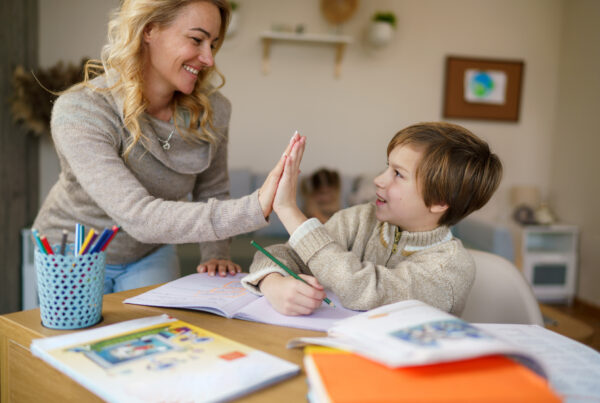
- Celebrate effort, not just results: Praise how hard your child worked on a project, not just the grade they got. This helps them value the learning process.
- Model confidence in mistakes: Share your own mistakes and what you learned from them. This normalizes errors as part of learning.
- Use encouraging language: Replace “That’s wrong” with “Let’s try that another way.” Positive phrasing can shift your child’s mindset.
- Set small goals: Break big tasks into smaller steps your child can achieve, then celebrate each success along the way.
- Encourage questions: Remind your child that asking questions is a sign of curiosity, not weakness.
- Build routines that include reflection: At the end of the day, ask your child to share one thing they did well at school. This helps them focus on progress.
To go deeper on this topic, visit our confidence-building resource page.
Confidence in the classroom: Tips by grade level
Children develop confidence at different rates. Here are some grade-specific tips to support them:
K-2: Building brave beginnings
At this age, children are just starting to form their identity as learners. Read-alouds, hands-on activities, and gentle praise go a long way. Encourage your child to speak during circle time or show-and-tell. Let them know it is okay to feel nervous.
Grades 3-5: Strengthening self-talk and resilience
Older elementary students might begin comparing themselves to classmates. Help them reframe negative thoughts like “I can’t do this” into “I can learn this with practice.” Journaling, role-playing, and guided reflection can help your child recognize their progress and believe in their capabilities.
What if my child is confident at home but shy at school?
This is very common. Some children feel safe and outgoing at home but freeze up in the classroom. It may be due to unfamiliar expectations, peer pressure, or fear of making mistakes in public. To bridge this gap, work with your child’s teacher to create low-stakes opportunities for participation. This might include reading aloud in a small group or answering a yes/no question during morning meetings.
You can also practice classroom scenarios at home. Role-play situations like raising a hand or giving a presentation. The more familiar these experiences feel, the less intimidating they will seem at school.
Definitions
Self-belief: A child’s internal sense that they are capable of learning, growing, and overcoming challenges.
Confidence-building: The process of reinforcing a child’s trust in their abilities through encouragement, reflection, and small successes.
Tutoring Support
At K12 Tutoring, we understand that emotional growth and academic success go hand in hand. If your child struggles with confidence or needs more support building classroom self belief in elementary students, our tutors can help. We offer personalized strategies that strengthen both skills and self-belief, so your child feels ready to participate, persevere, and succeed.
Related Resources
- Six Tips for Communicating Student Progress to Parents
- Teaching Students K-2 How to Reflect – Edutopia
- A Celebration of Learning: Why It Matters & How to Host One – Prepared Parents
Trust & Transparency Statement
Last reviewed: November 2025
This article was prepared by the K12 Tutoring education team, dedicated to helping students succeed with personalized learning support and expert guidance. K12 Tutoring content is reviewed periodically by education specialists to reflect current best practices and family feedback. Have ideas or success stories to share? Email us at [email protected].