Key Takeaways
- In kindergarten science, early misunderstandings can stick because children are still building the language, observation habits, and cause-and-effect thinking they need to make sense of the world.
- Small errors, such as confusing living and nonliving things or misunderstanding what plants need, can show up again in later units unless a teacher or tutor helps your child revisit the idea directly.
- Individualized feedback matters because young children often cannot explain their thinking clearly without guided questions, modeling, and hands-on practice.
- With patient support, many science mistakes are very fixable, and children can build strong confidence along with stronger scientific thinking.
Definitions
Scientific observation is the skill of noticing details using the senses and describing what is actually seen, heard, felt, or measured.
Misconception is an idea a child believes is true but that does not match the science concept being taught, such as thinking all moving things are alive.
Why early science misunderstandings can linger
Many parents are surprised to learn why kindergarten science mistakes are hard to fix once they become part of a child’s everyday thinking. In kindergarten, science is not usually a separate textbook-heavy subject. It is woven into read-alouds, weather charts, plant observations, sorting activities, classroom discussions, and simple experiments. That makes learning feel natural, but it also means mistakes can hide inside routines and go unnoticed for a while.
At this age, your child is learning science through concrete experiences. A teacher might ask students to sort pictures into groups such as living and nonliving, predict whether an object will sink or float, or describe what happens when ice melts. These tasks look simple, but they depend on several developing skills at once. Your child has to listen carefully, understand new vocabulary, notice important details, and explain a reason. If one piece is shaky, the final answer may be shaky too.
Kindergarten students also tend to trust what seems true from daily life. For example, a child may think the sun “goes to sleep” at night, that bigger objects always sink, or that plants eat dirt because they grow in it. These ideas are developmentally common. Teachers expect them. The challenge is that young children often repeat these explanations with confidence, especially if the idea fits what they have seen at home or on the playground.
From an educational standpoint, this is one reason early errors can last. Young learners build new science understanding on top of what they already believe. If the starting idea is inaccurate, later lessons may not fully make sense. A child who thinks rain comes from clouds squeezing water out like a sponge may struggle later with evaporation and condensation. A child who believes all animals live in one kind of home may have trouble comparing habitats.
That does not mean your child is behind. It means science learning in the early grades is cumulative. Small misunderstandings matter because later concepts depend on them.
Kindergarten science learning depends on talk, play, and guided noticing
One reason kindergarten science can be tricky is that children often know more than they can say. A student may point correctly to a plant stem, notice that a shadow changes, or predict that a block will fall faster than a feather, but still struggle to explain why. In class, teachers often use sentence frames, picture cards, partner talk, and repeated modeling to help students connect actions with language.
When that support is not enough for a particular child, mistakes can repeat. For example, during a weather unit, your child may learn words such as sunny, cloudy, windy, and rainy. But science understanding goes beyond naming the weather outside. A teacher may ask, “What clues tell you it is windy?” A child who says, “Because the tree is moving,” is making an observation. A child who says, “Because wind is invisible but it can move things,” is beginning to connect evidence with explanation.
That jump is harder than it looks. Kindergarten science asks children to shift from everyday talk to more precise thinking. Instead of saying, “The plant is sad,” they are encouraged to notice, “The leaves are drooping.” Instead of saying, “It disappeared,” they may learn, “The ice melted into water.” These changes in language help shape clearer understanding.
Parents often see the same pattern at home. Your child may enjoy collecting rocks, watching bugs, or talking about the moon, but still mix up key ideas during schoolwork. That is normal. Interest and understanding do not always develop at the same pace. In fact, strong curiosity can sometimes cover up confusion because a child is eager to participate even when the concept is not fully clear.
This is where guided instruction becomes especially useful. A teacher, parent, or tutor can slow the moment down and ask focused questions such as, “What do you notice first?” “What changed?” or “How do you know?” Those prompts help reveal whether your child is guessing, memorizing, or truly understanding the science idea.
Common kindergarten science mistakes that need direct correction
Some misunderstandings in science fade naturally with more exposure. Others tend to stick unless someone addresses them directly. In kindergarten science, a few patterns come up again and again.
Confusing living and nonliving things. A child may say a car is alive because it moves, or that a seed is not alive because it does not look active yet. This mistake matters because later life science depends on understanding growth, needs, and life cycles. A helpful correction usually involves comparing examples side by side and discussing what living things need, such as water, air, and space to grow.
Mixing up needs and wants of plants and animals. Many kindergarten classrooms teach that plants need sunlight and water, while animals need food, water, air, and shelter. Children sometimes add items they associate with care, such as toys, love, or dirt for every living thing. These answers make sense from a child’s point of view, but they can blur the science concept. Individual feedback helps separate caring language from biological needs.
Using one visible feature to decide a category. In a unit on animals, your child may assume that anything with wings is a bird or anything in water is a fish. Teachers often use picture sorts and read-alouds to challenge these shortcuts, but some children need more practice seeing multiple traits at once.
Misunderstanding cause and effect. During simple experiments, a child may notice that one plant grew taller than another but not connect that difference to sunlight or water. Or they may think the result happened “just because.” Kindergarten science introduces very early reasoning about what changed and what stayed the same. That is a big cognitive step for many children.
Confusing observation with imagination. This is common in elementary science, especially in kindergarten. If asked what happened to a caterpillar in a picture sequence, a child may create a story instead of describing the evidence shown. Imagination is valuable, but science tasks ask for careful noticing first. Learning that difference takes practice.
These are part of why kindergarten science mistakes are hard to fix later on. If a child keeps using the same inaccurate rule, that rule starts to feel reliable. Correcting it then requires more than repetition. It requires helping the child notice the mismatch between what they thought and what the evidence shows.

How can parents tell if it is a simple mistake or a deeper science misconception?
A one-time wrong answer is usually not a concern. Kindergarteners are still learning how to follow directions, stay focused, and respond in a group setting. But if your child repeats the same science error across different activities, that may point to a deeper misunderstanding.
For example, imagine your child says that the moon follows the car, that shadows are made by dark objects rather than blocked light, or that heavier things always fall faster. If the same idea appears in conversation, drawings, classwork, and home activities, it is likely not just random confusion. It is a belief your child is using to explain the world.
Teachers often spot this through patterns. A student may consistently sort items by surface features rather than scientific traits. They may memorize vocabulary but use it incorrectly. They may participate eagerly in experiments but struggle to explain what happened afterward. These are useful signals because they show where understanding breaks down.
At home, you can listen for a few clues. Does your child answer quickly without looking closely? Do they use the same explanation for many different situations? Do they resist changing an idea even after seeing a demonstration? Those moments can tell you that your child needs more than exposure. They need guided correction.
This is also where individualized help can make a real difference. In a busy classroom, a teacher may not always have time to unpack each child’s reasoning in depth. A tutor or other one-on-one support person can ask follow-up questions, wait for the child to think, and respond to the exact misunderstanding rather than just marking the answer wrong. That kind of interaction is especially effective in early science because young children often reveal their thinking gradually, not all at once.
If you want more parent support around learning patterns and confidence, the resources at /parent-guides/ can help you understand what to watch for and how to respond supportively.
Elementary kindergarten science skills grow through repetition with feedback
In elementary science, especially in kindergarten, progress comes from revisiting the same big ideas in slightly different ways. Your child may observe weather in the morning, read a book about seasons in literacy time, grow seeds during science, and sort animal pictures during centers. This repetition is useful, but only if the child is practicing the right idea.
That is why feedback matters so much. If your child draws the sun watering a flower, an adult can gently ask, “What does the plant get from the sun?” If your child says a rock is alive because it is outside, an adult can respond, “Let’s think about what living things need and whether a rock grows.” These small corrections help your child revise their mental model before the error becomes more fixed.
Effective feedback in kindergarten science is usually immediate, concrete, and tied to evidence. Instead of saying, “No, that is wrong,” a teacher might say, “Let’s look again at what happened to the ice cube,” or “Can you show me which part of the plant takes in water?” This keeps the child engaged while steering them toward more accurate reasoning.
Guided practice also helps children build academic habits that support science learning. They learn to slow down, compare details, use unit vocabulary, and explain answers with a reason. Those are foundational skills that continue into later elementary grades when science tasks become more structured and writing-based.
For some children, especially those who need extra processing time or benefit from repeated verbal modeling, individualized support can make these routines much more effective. A one-on-one setting allows the adult to notice whether the child is misunderstanding the science idea, the vocabulary, or the directions. That distinction matters. A child who knows that plants need water may still answer incorrectly if they do not understand the question being asked.
What individualized help can look like in science
Individualized help in kindergarten science does not need to feel formal or stressful. In fact, it works best when it feels interactive, visual, and responsive to your child’s pace. The goal is not to drill facts. The goal is to help your child build accurate understanding through conversation, observation, and guided discovery.
A tutor or skilled instructor might use real classroom-style materials such as picture cards, simple experiments, toy animals, weather journals, or plant diagrams. If your child confuses living and nonliving things, the adult may present a few examples at a time and ask your child to explain each choice. If your child struggles with plant needs, they might compare two drawings and talk through what each plant has or lacks.
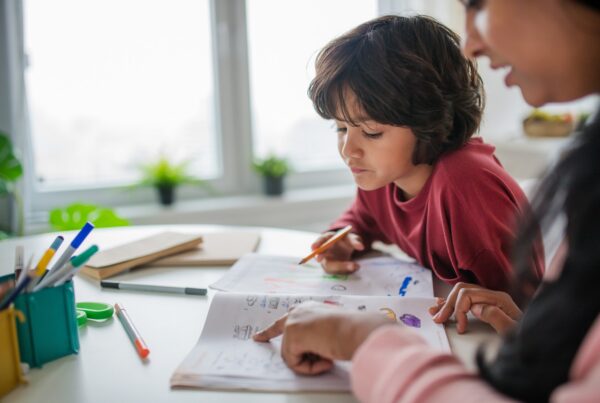
This kind of support is especially useful because it makes thinking visible. In a worksheet, your child may circle an answer without much explanation. In one-on-one instruction, the adult can hear the reasoning behind the answer and respond in the moment. That is often the missing piece when families wonder why kindergarten science mistakes are hard to fix in a larger classroom setting.
Individualized support can also reduce frustration. Some children begin to avoid science tasks when they feel unsure, especially if they have been corrected several times in front of peers. A calmer setting gives them room to try, revise, and succeed. Over time, that can strengthen both science understanding and academic confidence.
K12 Tutoring approaches support in this way, focusing on where a child is now and helping them move forward with targeted practice, patient feedback, and instruction that matches their learning pace. For young students, that can be the difference between memorizing science words and actually understanding what those words mean.
Tutoring Support
If your child is bringing home confusing science work, repeating the same inaccurate ideas, or seeming unsure during hands-on activities, extra support can be a helpful next step. In kindergarten science, personalized instruction often works well because young children benefit from immediate feedback, simple explanations, and chances to talk through what they notice. K12 Tutoring supports families by helping students build core science understanding, stronger observation skills, and more confidence with age-appropriate guided practice.
Related Resources
- How To Build Your Child’s Confidence: A Parent’s Guide – Crimson Rise
- How High-Quality, Small-Group Tutoring Can Accelerate Learning – IES (U.S. Department of Education)
- Roles in Gifted Education: A Parent’s Guide – davidsongifted.org
Trust & Transparency Statement
Last reviewed: May 2026
This article was prepared by the K12 Tutoring education team, dedicated to helping students succeed with personalized learning support and expert guidance. K12 Tutoring content is reviewed periodically by education specialists to reflect current best practices and family feedback. Have ideas or success stories to share? Email us at [email protected].