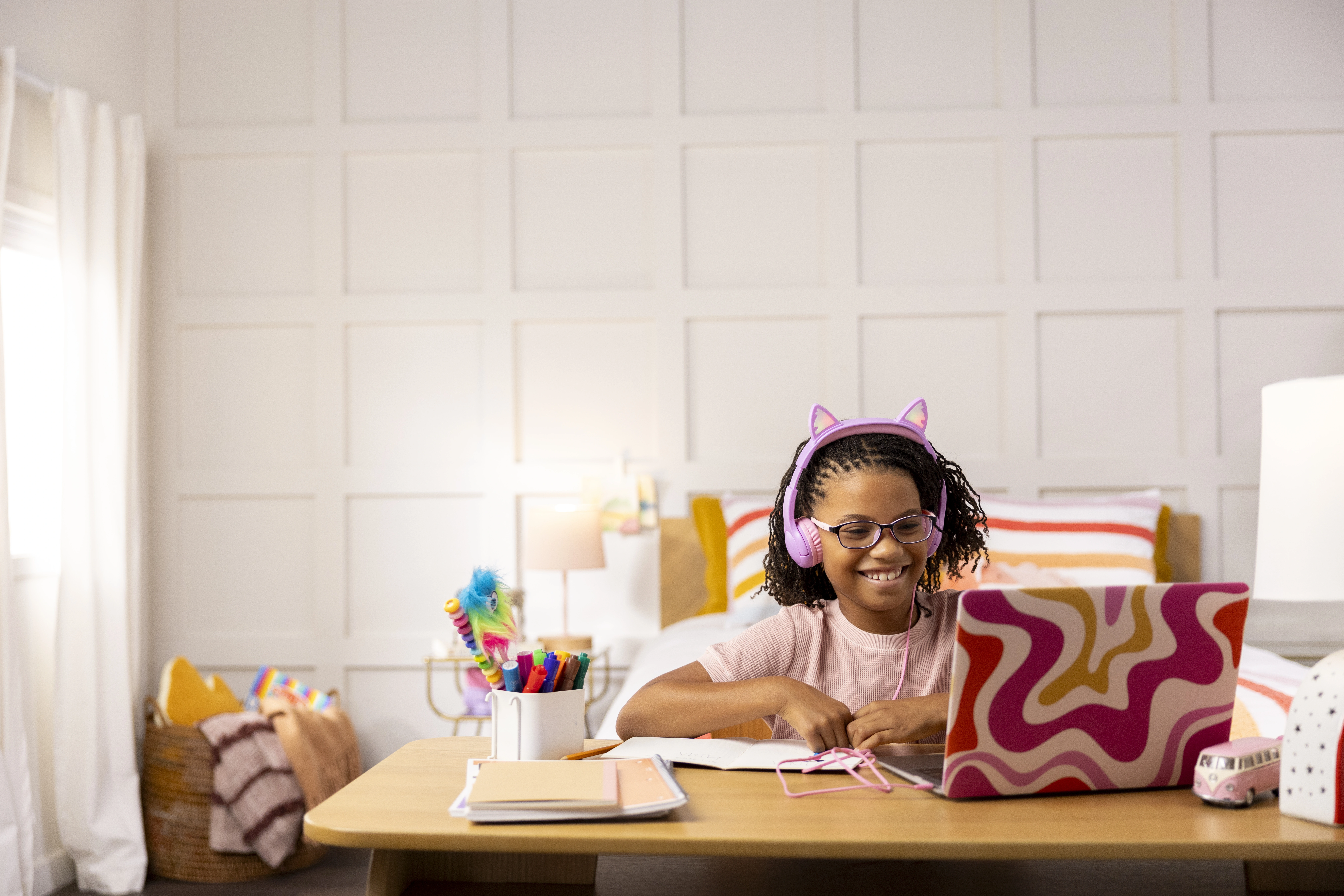
Key Takeaways
- Organizing study spaces to boost attention can make a big difference for struggling learners in elementary school.
- Simple, consistent study routines and clutter-free environments help children stay focused and reduce stress.
- Every child is unique, so customizing your child’s workspace for their needs builds confidence and independence.
- Small changes in study space setup for focus can lead to stronger attention and better learning habits over time.
Audience Spotlight: Supporting Struggling Learners at Home
Many parents notice their elementary school child finds it hard to sit down, focus, and finish homework. If your child is a struggling learner, you are not alone. Organizing study spaces to boost attention is a skill that can be built over time, not a quick fix. Children who find it hard to focus, whether due to learning differences, worry, or just a busy mind, often benefit from a structured and inviting workspace. By understanding the challenges and providing the right setup, you can help your child grow into a more focused and confident learner. Many teachers and parents report that even small changes in the home environment can lead to less frustration and more productive study sessions.
Why Organizing Study Spaces to Boost Attention Matters
Have you ever noticed your child distracted by toys, pets, or household noise while trying to do homework? Organizing study spaces to boost attention is about more than just tidying up. It is about creating a calm, predictable spot that signals to your child it is time to focus. Experts in child development note that children’s brains respond to routines and visual cues. When your child knows exactly where to work and what to expect, it can help them mentally “switch on” to learning mode. For struggling learners, this can mean fewer battles, less stress, and more success with school tasks.
How Workspace Organization Builds Skills and Confidence
Workspace organization is not just about cleaning. It is a life skill that supports independence and self-management. When children have a clear, organized area for schoolwork, they can find what they need, start tasks more easily, and feel proud of their space. This sense of ownership can lead to stronger motivation and less resistance around homework time. In fact, many education specialists recommend that parents involve their child in the setup process. Letting your child choose a favorite pencil holder or decorate a study corner can build buy-in and excitement.
Common Barriers: Why Some Children Struggle to Focus
It is normal for elementary students, especially struggling learners, to have trouble paying attention at home. Some common barriers include:
- Distractions from siblings, television, or digital devices
- Cluttered or noisy environments
- Lack of a regular homework routine
- Uncomfortable furniture or poor lighting
Recognizing these barriers is the first step. Remember, organizing study spaces to boost attention is not about perfection. Even small improvements to your child’s study area can have a positive impact.
What Does an Effective Study Space Setup for Focus Look Like?
Every child has different needs, but some elements create a strong foundation for attention:
- Consistent location: Try to use the same spot each day. A small desk or table in a quiet area works well.
- Limited clutter: Only keep the supplies your child needs for that subject or assignment within reach.
- Comfortable seating: A chair and table at the right height can help your child sit up and stay engaged.
- Good lighting: Natural light is best, but a desk lamp can help on cloudy days or for evening work.
- Minimized distractions: Turn off televisions, silence mobile devices, and ask siblings to respect homework time.
- Visual supports: Checklists, timers, or simple schedules posted nearby can help your child manage tasks independently.
For more ideas about building strong study habits, visit our study habits resource page.
Organizational Skills: Parent Questions Answered
How do I help my child keep their study space tidy?
Start with a short daily cleanup routine. Make it fun by timing how fast you can put away supplies together. Use simple storage solutions like bins, folders, or trays. Encourage your child to check their space before and after homework—over time, this builds the organizational skills that support attention and learning.
What if we do not have a separate room for studying?
That is a common challenge. Many families use part of the kitchen table, a quiet corner in the living room, or even a small nook under the stairs. The key is to make the area feel special and consistent. A portable caddy or box for school supplies can help keep things organized, even if the space is shared.
My child resists sitting down to study. What can I do?
Some children need help transitioning into homework mode. Try using a visual timer or a soft bell to signal that it is study time. Build in short breaks and let your child move between tasks. Praising even small efforts can help your child feel more confident and willing to try again next time.
Workspace Organization for Elementary School: A Grade-by-Grade Guide
- K-2: Younger children work best with simple setups. Use a small table or desk, limit supplies to essentials (crayons, pencils, erasers), and use picture cues or checklists for tasks.
- Grades 3-5: As children get older, involve them in organizing their own supplies. Label folders by subject, add a wall calendar, and teach your child to clear their workspace after each session. Let your child personalize the space with a photo or artwork.
Regardless of age, building a study space routine—such as “Hang up your backpack, get out your folder, check your list”—can help children develop strong habits that last.
Mini-Scenarios: Real-Life Challenges and Solutions
- Liam, grade 1, always loses his pencils and cannot start homework: His parent created a pencil cup with his name on it and a tray for finished work. Now, Liam knows where to find what he needs and feels proud to keep his area neat.
- Emma, grade 4, gets distracted by noise from siblings: Her family agreed on a “quiet time” after dinner when everyone uses headphones or reads. Emma also uses a small privacy board to help block out visual distractions.
These examples show that organizing study spaces to boost attention is about meeting your child where they are and making adjustments that fit your family’s routines.
Definitions
Organizational skills: The ability to keep materials, time, and tasks in order to achieve a goal. For children, this often means knowing where to find supplies, keeping work areas tidy, and following routines.
Workspace organization: Setting up a physical area for learning that is free of clutter, comfortable, and designed to help your child focus on schoolwork.
Related Resources
- ADHD in the Classroom: Helping Children Succeed in School
- Treatment of ADHD – Creating Routines and Organization
- ADHD: What You Need to Know
Tutoring Support
When organizing study spaces to boost attention feels overwhelming, remember you do not have to do it alone. K12 Tutoring partners with families to build routines, address focus concerns, and support struggling learners with personalized strategies. With guidance from experienced tutors, your child can develop the skills and confidence needed to thrive at home and in the classroom. Explore more strategies for attention and organizational skills at our organizational skills resource page.
Trust & Transparency Statement
Last reviewed: October 2025
This article was prepared by the K12 Tutoring education team, dedicated to helping students succeed with personalized learning support and expert guidance. K12 Tutoring content is reviewed periodically by education specialists to reflect current best practices and family feedback. Have ideas or success stories to share? Email us at [email protected].