Key Takeaways
- Tutoring supports more than academics by helping children grow in confidence and independence.
- Encouraging personal growth through tutoring in elementary school helps children see learning as a personal journey.
- Small wins in tutoring sessions can lead to big leaps in motivation and self-esteem.
- Parents can support growth by celebrating effort and progress, not just grades.
Audience Spotlight: Confidence & Habits in Elementary Students
Parents focused on building confidence and healthy learning habits often look beyond grades to the bigger picture of personal development. In elementary school, children are just beginning to form beliefs about their abilities. These early years are crucial for shaping how they view themselves as learners. Encouraging personal growth through tutoring in elementary school gives your child a safe space to explore challenges, take risks, and build internal motivation. Many parents in this stage report that tutoring helps their children feel more in control and excited about learning.
Definitions
Personal growth in education refers to a child’s development in areas like confidence, responsibility, resilience, and self-awareness, beyond academic achievement.
Confidence-building means helping children believe in their ability to learn, try new things, and overcome setbacks.
Why Encouraging Personal Growth Through Tutoring In Elementary School Matters
Children in grades K-5 are learning more than just reading and math. They’re also figuring out what kind of learners they are. Encouraging personal growth through tutoring in elementary school supports the whole child by fostering self-belief, curiosity, and perseverance. These qualities help students stay motivated and bounce back from difficulties.
Experts in child development note that when tutoring focuses on progress and effort, rather than just performance, children start to see mistakes as opportunities. That shift can make a big difference in how they approach school and life.
How Tutoring Builds Habits and Confidence
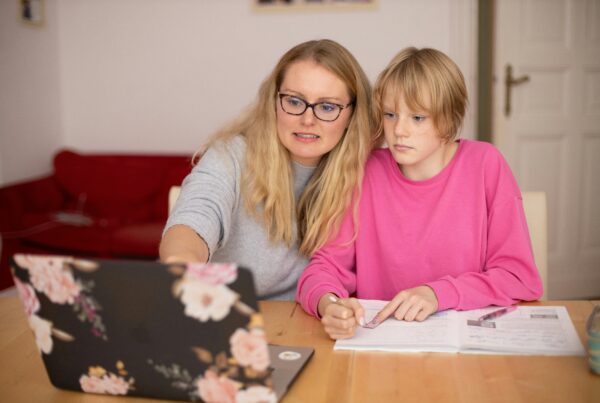
One of the most effective parts of tutoring is the chance for one-on-one attention. A tutor can slow down, listen, and help your child set manageable goals. These small steps help build momentum. Each time your child meets a goal or masters a new skill, they gain confidence. Over time, these moments add up to lasting self-esteem.
Many teachers and parents report that students who work with a tutor often feel more prepared and less anxious in class. They know what to expect and how to ask for help. This sense of agency is a major part of personal growth.
For example, a second grader who struggles with reading might feel embarrassed during group activities. But with targeted tutoring that celebrates small wins—like sounding out a tricky word or completing a full sentence—that same child can begin to participate more fully and confidently in class.
Elementary School and the Foundation of Personal Growth
Encouraging personal growth through tutoring in elementary school is especially powerful because of how quickly young children develop. Their minds are flexible, and their beliefs about learning are still forming. When a tutor helps your child recognize their own effort and progress, it builds a foundation for lifelong learning.
In grades K-2, tutoring might focus on building routines and early literacy. These sessions help children learn how to start tasks, focus their attention, and feel proud of completing something.
In grades 3-5, tutoring often includes goal-setting, managing frustration, and staying organized. These are essential skills that support independence and self-confidence as school becomes more complex.
What If My Child Is Already Doing Fine Academically?
Even if your child is not struggling academically, tutoring can still provide meaningful support. Tutoring can be a space for enrichment, creative exploration, or learning how to manage time and emotions. Encouraging personal growth through tutoring in elementary school is not just for students who need help catching up. It can also help children stretch themselves, discover new interests, and develop resilience when things get hard.
For example, a fourth grader who enjoys math might benefit from tutoring that introduces puzzles or real-world applications. This type of learning encourages curiosity and persistence, both key aspects of personal growth.
How to Build Confidence in Elementary Students Through Tutoring
To build confidence in elementary students, tutoring sessions should be designed to feel safe, encouraging, and appropriately challenging. Parents can support this by choosing tutors who connect personally with your child and who prioritize encouragement over pressure.
Here are a few ways tutors help children build confidence:
- Providing choices so students feel a sense of control
- Celebrating effort as much as results
- Giving specific, positive feedback
- Helping students reflect on what strategies worked
These habits can also be reinforced at home. You might ask your child, “What was something you felt proud of during your session today?” or “What did you do when you got stuck?” These conversations show your child that growth is more than getting the right answer.
For more ideas on how to support confidence-building at home, visit our confidence-building resource page.
Coaching Tips for Parents: Supporting Growth Beyond Sessions
As a parent, you play a vital role in reinforcing the growth your child experiences during tutoring. Here are a few coaching tips to keep the momentum going:
- Notice and name your child’s efforts. Say things like, “I saw how you kept trying even when it was hard.”
- Model growth mindset language. Use phrases like “You haven’t figured it out yet, but you’re getting closer.”
- Encourage your child to set small, achievable goals between sessions.
- Keep communication open with your child’s tutor so you can align encouragement at home.
Tutoring Support
At K12 Tutoring, we believe in nurturing the whole child. Our tutors are trained not only to support academic skills but also to encourage confidence and independence. Whether your child is struggling, thriving, or somewhere in between, tutoring can provide the personalized support they need to grow. Encouraging personal growth through tutoring in elementary school is one of the most powerful ways to help your child build a strong foundation for the future.
Related Resources
- Helping IB students build confidence for academic success: A guide for IB parents and tutors – U4Success
- A Parent’s Guide to Encouraging Self-Confidence in Children – Katy Cares
- How Parents Can Support Their Child’s Studies: Tips and Strategies – eLearningIndustry.com
Trust & Transparency Statement
Last reviewed: November 2025
This article was prepared by the K12 Tutoring education team, dedicated to helping students succeed with personalized learning support and expert guidance. K12 Tutoring content is reviewed periodically by education specialists to reflect current best practices and family feedback. Have ideas or success stories to share? Email us at [email protected].