Key Takeaways
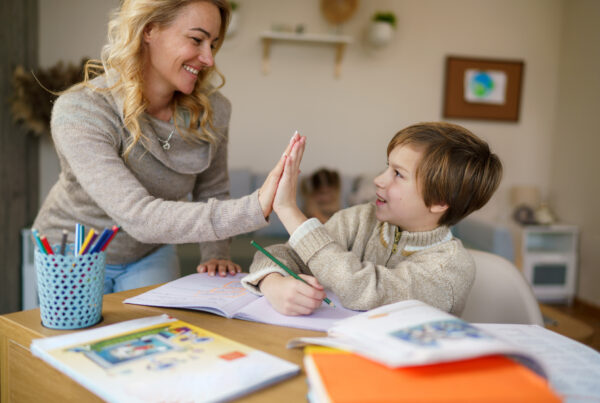
- Building classroom self belief for homeschool students starts with small, consistent habits that affirm your child’s strengths.
- Daily routines, open conversations, and goal-setting can help your child feel classroom-ready and confident.
- Confidence and habits grow over time and are deeply influenced by your modeling and support.
- Homeschool students benefit from practicing self-advocacy, collaboration, and positive self-talk.
Audience Spotlight: Confidence & Habits for Homeschool Learners
Parents focused on confidence and habits often ask, “How can I help my homeschool child feel ready for a traditional classroom one day?” That’s a common and understandable concern. Homeschooling offers freedom and flexibility, but it can feel challenging to know if your child will feel confident in group settings or structured academic environments. This article is for you—parents who want their children to grow resilient, self-assured, and prepared for any learning space.
Why building classroom self belief for homeschool students matters
Building classroom self belief for homeschool students is not just about preparing them for possible future transitions to in-person school. It’s about helping them believe in their abilities, speak up when they need help, and trust their capacity to learn, even when things get tough.
Experts in child development note that confidence stems from a mix of competence, connection, and consistency. When homeschool students practice academic skills in a safe, supportive environment and receive regular feedback, they begin to internalize a belief that they can solve problems and overcome challenges.
Many teachers and parents report that students who feel confident are more likely to participate in discussions, try new tasks, and recover from mistakes without shame. These are powerful traits that can be nurtured at home.
How can I tell if my child lacks classroom confidence?
Homeschooling gives you a front-row seat to your child’s learning behaviors. Here are some signs that your child may be struggling with self-belief:
- They avoid hard tasks or give up quickly.
- They compare themselves to peers or siblings negatively.
- They resist feedback or interpret mistakes as failures.
- They show anxiety about group activities or public speaking.
These behaviors are not fixed traits. They can be addressed with steady support, structured coaching, and a few mindset shifts.
Elementary to high school: Confidence in the classroom by grade band
Grades K-5: Building bravery through routine and praise
Young learners thrive on encouragement and structure. Use consistent routines to help them ease into learning with confidence. Celebrate effort, not just outcomes. For example, say, “I noticed how you kept going even when that math problem was hard” instead of “You got it right.”
Role-play classroom situations like raising hands, asking for help, or working in pairs. These rehearsals build familiarity, which reduces fear.
Grades 6-8: Supporting identity and independence
Middle school brings social awareness and self-consciousness. Help your child identify their learning strengths and use them to tackle challenges. Encourage them to track their own progress and reflect on growth. Use open-ended questions like, “What helped you stay focused today?”
At this stage, peer comparison can undercut confidence. Remind your child that everyone learns differently and that self-paced learning is a strength, not a weakness.
Grades 9-12: Practicing self-advocacy and resilience
High schoolers are preparing for college, careers, or both. Invite your teen to set academic goals and create plans to reach them. Support them in emailing teachers or tutors with questions—a key self-advocacy skill.
Encourage reflection after setbacks. Ask, “What did you learn from this experience?” rather than focusing on grades alone. These habits will serve them in any classroom or workplace.
Strategies for building classroom self belief for homeschool students
Regardless of age, the following strategies help boost homeschool student confidence and build classroom-ready habits.
1. Use positive self-talk scripts
Model phrases like, “I can try again,” “Mistakes help me learn,” or “I don’t know this yet.” Encourage your child to adopt these phrases during challenging moments. Over time, these internal scripts become confidence anchors.
2. Set and celebrate micro-goals
Break large tasks into smaller steps. Celebrate each one. For example, if your child is writing an essay, celebrate the outline, the first paragraph, and the revision process—not just the final product. This builds momentum and belief in their ability to complete multi-step tasks.
3. Create collaborative learning opportunities
Confidence often grows through connection. Organize group projects with other homeschool families, attend co-op classes, or join virtual study groups. Practicing collaboration helps students feel more comfortable in future group settings.
4. Reflect on past wins
Make a “confidence journal” where your child logs weekly accomplishments, no matter how small. Reviewing past successes reminds them of their growth and capability. This is especially helpful before tests or presentations.
5. Practice classroom behaviors at home
Build familiarity with classroom norms. For example, create a “quiet work time” routine, practice note-taking with short videos, or simulate raising hands during group discussions. These habits reduce anxiety and boost classroom confidence.
Boost homeschool student confidence through daily habits
To boost homeschool student confidence, consistency matters. Morning check-ins, structured work blocks, and end-of-day reflections all help create a supportive rhythm. When students know what to expect, they feel secure and capable.
Consider adding visual schedules, timers, or color-coded planners to support independence. These tools are especially helpful for students who struggle with transitions or executive function. You can explore more strategies on our executive function page.
Definitions
Classroom self-belief: A student’s internal belief that they can succeed in academic and group learning settings, even when challenges arise.
Self-advocacy: The ability to speak up for one’s own needs, ask for help, and make decisions about learning and support.
Tutoring Support
At K12 Tutoring, we understand the unique journey of homeschool students. Our tutors specialize in building both academic skills and the confidence to use them. Whether your child needs help mastering a subject or preparing for classroom transitions, we’re here with personalized support to help them thrive.
Related Resources
- How High School Students Can Set and Accomplish Goals
- Using End-of-Year Assessments for Learning and Celebration
- How Parents Can Help Kids Be Successful in School
Trust & Transparency Statement
Last reviewed: November 2025
This article was prepared by the K12 Tutoring education team, dedicated to helping students succeed with personalized learning support and expert guidance. K12 Tutoring content is reviewed periodically by education specialists to reflect current best practices and family feedback. Have ideas or success stories to share? Email us at [email protected].